The first classes define the rest of the year
There is a window of time at the start of the school year that does not repeat: the first two to four weeks. In that period students are deciding — most of them unconsciously — whether that space is safe, whether their voice matters, whether they can make mistakes without social consequences. What is built (or not) in those weeks becomes the baseline for the rest of the year.
This is not about doing fun activities to “break the ice.” It is about establishing the minimum conditions for learning to be possible: interpersonal trust, shared norms and the perception that the group is a resource, not a threat. Without those conditions, the best teaching strategies lose effectiveness because they operate on terrain that does not support them.
The theory behind the practice
Jennings and Greenberg (2009) proposed the model of the prosocial classroom, where the quality of teacher-student and student-student relationships is the factor that most influences classroom climate. According to their research, a teacher who deliberately invests time in building bonds during the first weeks creates a protective effect that reduces behavior problems and increases academic engagement throughout the year.
The meta-analysis by Durlak et al. (2011), which reviewed 213 social-emotional learning (SEL) programs with over 270,000 students, found that students who participated in well-implemented SEL programs showed an average gain of 11 percentile points in academic achievement compared to control groups. These were not isolated programs: the most effective were integrated into the daily classroom routine.
The CASEL framework (Collaborative for Academic, Social, and Emotional Learning) identifies five core competencies of social-emotional learning: self-awareness, self-regulation, social awareness, relationship skills and responsible decision-making. The first classes are the natural moment to activate the first three, because the group is in formation and norms have not yet crystallized.
It is not “getting-to-know-you activities”
There is an important difference between doing isolated activities on the first day and building a classroom culture intentionally. Many teachers already do “icebreaker activities” — the problem is not the activity itself but that it is conceived as an isolated event rather than as the start of a sustained process.
| “Control” approach | “Climate” approach | |
|---|---|---|
| First day | Rules of the course are presented | A shared experience is created |
| Conduct norms | Written by the teacher | Built by the group |
| Group work | Choose their own teams | Mix from day 1 |
| Student emotions | Not addressed explicitly | Integrated as useful information |
| Student voice | Participates when asked | Has permanent channels to express opinions |
| Medium-term result | Order based on authority | Order based on belonging |
The control approach can work short term, but tends to generate a dynamic where order depends on the teacher’s presence. The climate approach seeks for the group to self-regulate because the norms are their own, not imposed.
Three phases of the first month
Week 1: Know — who we are
The objective of the first week is not to teach curricular content. It is for each student to feel they were seen. This does not require grand productions: it is enough to create brief, structured moments where students share something real about themselves in a safe context.
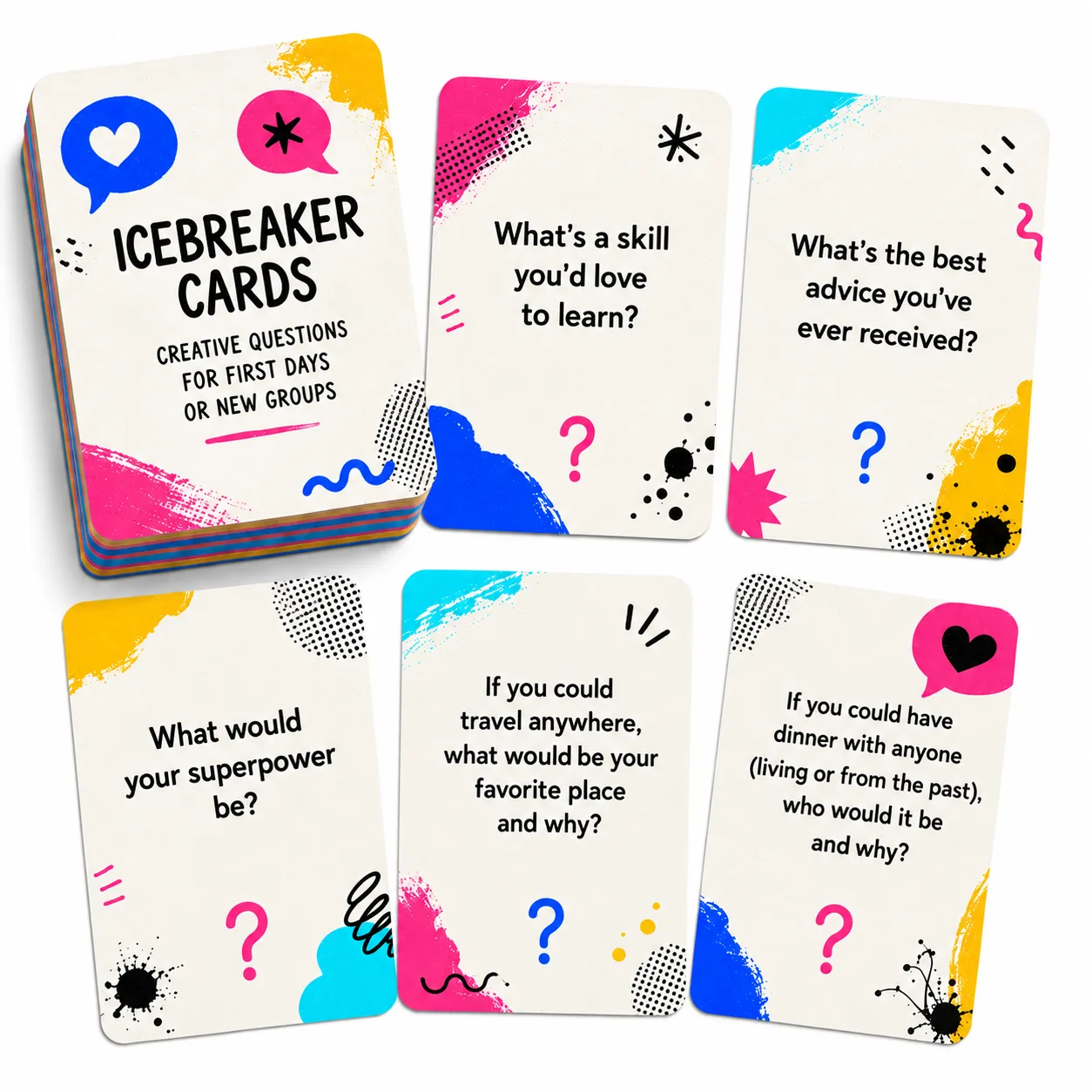
Icebreaker cards work well in this phase because they offer a structure: the student does not have to invent what to say, just answer a concrete question. This reduces social anxiety and allows more authentic conversations than the classic round of “name, age and hobby.” At the same time, a live word cloud allows collecting expectations, fears or prior ideas anonymously and collectively in less than a minute.
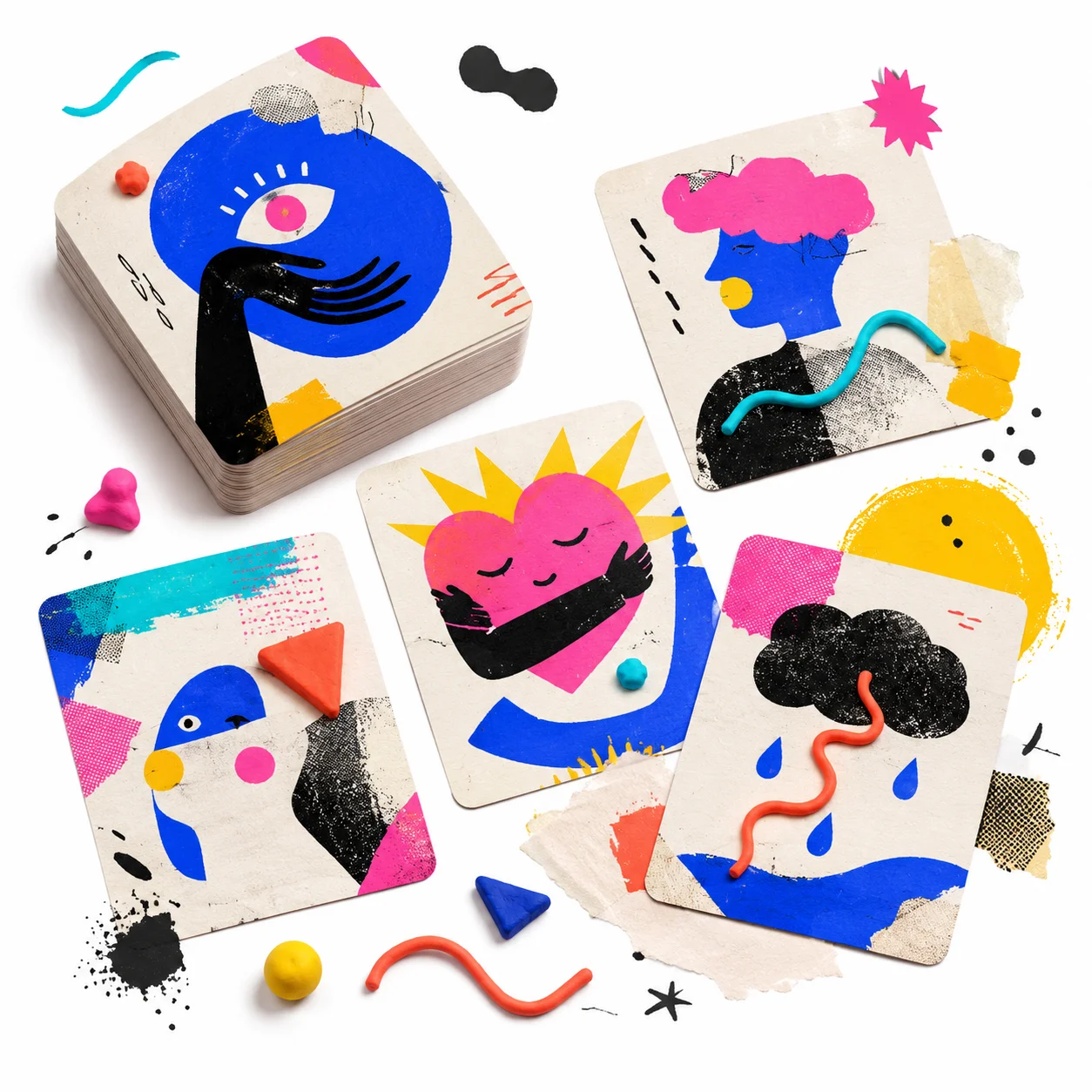
The emotions deck opens another channel: the emotional one. Asking each student to choose the card that best represents how they feel today — without needing to explain why — establishes from the first day that emotions are a legitimate part of the learning space.
Week 2: Agree — how we want to work together
Once the group knows each other minimally, the next step is to build shared agreements. Not the rules the teacher writes on the board — the commitments the group generates from their own needs.
The collaborative ideas wall is particularly useful here: a question is launched (“What do you need from this space to learn well?”) and students post their ideas anonymously. Then, together, they group and prioritize. The result is agreements the group feels as their own.
The group generator is also introduced in this phase. Mixing randomly from the beginning normalizes working with anyone and prevents rigid social islands from forming. If you wait too long, subgroups consolidate and resistance to mixing increases.
Weeks 3-4: Sustain — maintain what was built
What was built in the first two weeks is lost if not sustained deliberately. The third and fourth weeks are the moment to turn the initial experiences into routines.
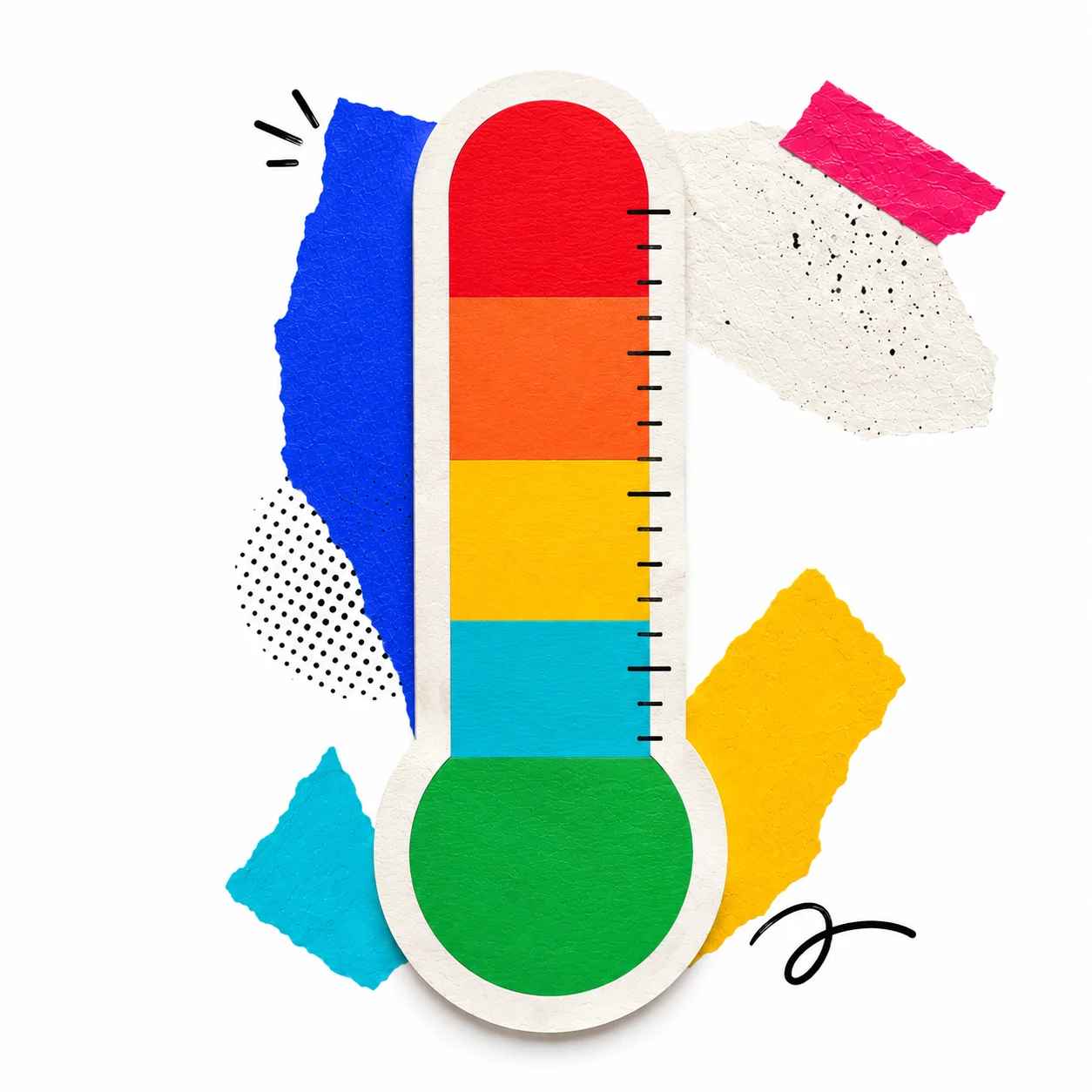
The opinion thermometer can function as a class start ritual: “How are you arriving today?” on a continuum from 1 to 10. It takes less than a minute and gives the teacher emotional information about the group without needing to ask out loud. Over time, students start tracking their own emotional patterns.
Icebreaker cards can continue to be used as class openings, rotating new questions each week. The purpose is no longer to get to know each other — it is to keep active the muscle of authentic conversation between classmates who would not necessarily choose each other.
Free tools for each phase
All the tools mentioned in this guide are available on this site, are free and require no registration or download. Each fulfills a distinct function within the group-building process.
Icebreaker cards — Week 1: first real conversations
They are projected on the screen or shared from a phone. Each card has a question that goes beyond the superficial. They can be used in pairs, in small groups or as a group opening. The structure of the question reduces the anxiety of not knowing what to say and allows even the most introverted students to participate comfortably. Using them the first three days creates a shared repertoire of stories that begins to weave bonds.
Emotions deck — Week 1: open the emotional channel
Each student chooses the card that best represents how they feel. They do not need to justify or explain — just choose. This establishes from the first day that emotions have a place in the classroom. It can be used as a start ritual during the first week and returned to whenever the group goes through a moment of tension or change.
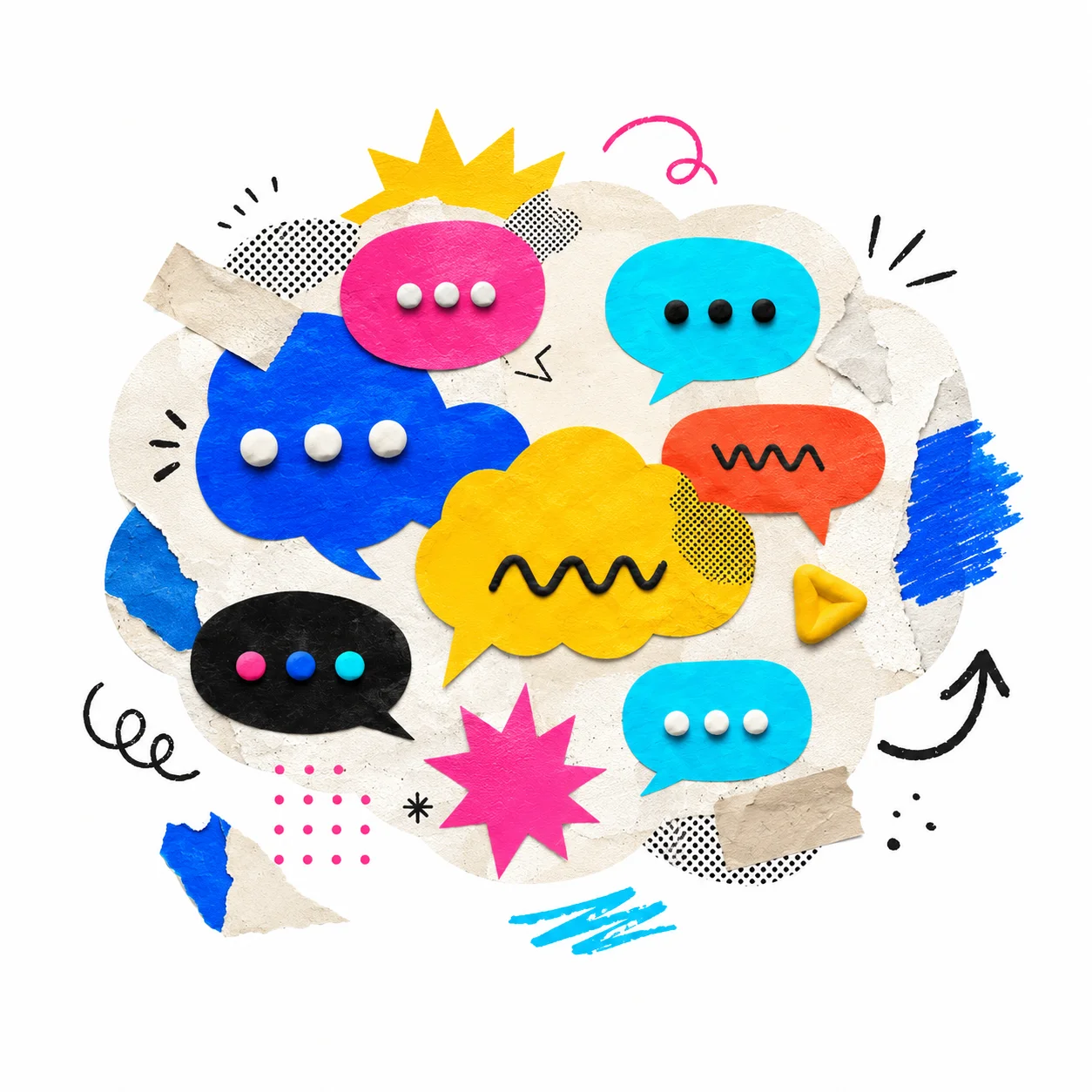
Live word cloud — Week 1: instant map of the group
In 60 seconds, the group answers a question and the responses group visually. The most frequent appear larger. It works for collecting expectations (“What do you expect from this class?”), fears (“What worries you about this year?”) or prior ideas. The collective visualization generates a moment of recognition: others feel the same as I do.
Group generator — Week 2: break social islands
Mixes the group randomly with a single click. Introducing it in the second week — before subgroups crystallize — normalizes working with anyone. Randomness eliminates the emotional weight of the choice (“nobody chose me,” “always the same people”) and allows the teacher to maintain a mixing policy without it appearing arbitrary.
Collaborative ideas wall — Week 2: build agreements together
Shared space where everyone posts ideas anonymously. In the context of the first classes, its best use is the collective construction of norms: “What do we need for this space to work?” The responses are grouped, discussed and become agreements the group feels as their own, not as impositions.
Opinion thermometer — Weeks 3-4: sustained emotional ritual
Students indicate how they feel on a visual continuum. It takes less than a minute and can be used as a class start ritual. Unlike the emotions deck — which is qualitative — the thermometer offers a quick quantitative reading. Over time, it allows the teacher to detect patterns: days of greater stress, effects of an exam, changes in energy throughout the week.
Common mistakes
Doing activities only on the first day and considering the process finished. Building a group is a process that requires at least three to four weeks of deliberate work. An isolated activity creates a pleasant moment, but does not change classroom culture. Jennings and Greenberg’s (2009) research is clear: impact occurs when practices are sustained, not one-off.
Imposing conduct norms instead of building them. Norms written by the teacher generate external compliance. Norms built by the group generate internal commitment. This does not mean the teacher has no voice — it means the definition process is participatory.
Letting students always choose their own groups. Self-selection reinforces existing social hierarchies: the popular students group together, those who are not are left out. Randomness protects everyone and generates interactions that would otherwise not occur. Introducing mixing from week 1 is easier than trying to implement it in May.
Not recording the emotional state of the group. Emotions are not decorative extras — they are information. A group that arrives stressed after a difficult exam in another subject needs a different class start. Tools like the opinion thermometer or the emotions deck give the teacher that information in less than a minute.
What competencies it develops
The first weeks of group building activate social-emotional competencies concretely:
- When a student chooses an emotion card and shares it with the group, they are exercising emotional regulation: identifying what they feel and communicating it in a safe context.
- When they listen to the story of a classmate they do not know through an icebreaker card, they are developing empathy: the capacity to understand another’s perspective.
- When they participate in the collective construction of norms through an ideas wall, they are exercising collaboration: negotiating, prioritizing and yielding to reach a shared agreement.
- When they work with classmates they did not choose thanks to the group generator, they are strengthening their sense of belonging: feeling part of a diverse group, not just a subgroup.
- When they answer a deep question from an icebreaker card and the group listens without interrupting, active listening is being practiced.
- When they choose an emotion card without needing to explain verbally, they are using nonverbal communication as a legitimate channel of expression.
How to start
There is no need to implement everything at once. A simple progression for the first weeks:
Use icebreaker cards in rotating pairs (3 rounds of 3 minutes). Close with a word cloud: "In one word, how do you feel after this activity?"
Introduce the group generator for all team activities. Dedicate one class to building conduct agreements with the collaborative ideas wall.
Incorporate the opinion thermometer as a class start ritual. Return to icebreaker cards once a week as a brief opening.
The first weeks are an investment, not a loss of curricular time. What is built in that period is the invisible infrastructure on which everything that comes afterward rests.