Response to Intervention
A tiered support system of increasing intensity for identifying and addressing learning difficulties early.
What is it?
Response to Intervention (RTI) is a preventive model that organizes educational supports in three levels of increasing intensity. Instead of waiting for a student to fail before acting, RTI detects difficulties early and responds with increasingly focused interventions.
The model works like a pyramid: Tier 1 is quality teaching for all (80-85% of students respond well). Tier 2 offers small-group intervention for those who need additional reinforcement (10-15%). Tier 3 is intensive, individualized intervention for those who do not respond to the previous tiers (3-5%).
What distinguishes RTI is that decisions are made based on data, not intuition. Student progress is systematically assessed and interventions are adjusted according to results. If a student does not progress at one tier, support is intensified — no waiting until the end of the year.
The question is not whether the student has a problem. The question is: Are we giving the right response?
— RTI ModelWhat does it look like in class?
At the start of the year, the teacher applies a screening assessment to the whole class to identify who is at risk for reading difficulties. The results guide the formation of intervention groups.
Tier 1: The teacher uses evidence-based teaching strategies with the whole class — modeling, guided practice, independent practice, immediate feedback. Good teaching is the first intervention.
Tier 2: Three times a week, a group of 5 students works 30 additional minutes with the teacher on specific reading skills. Every two weeks progress is measured to see if the intervention is working.
Tier 3: A student who does not respond to Tier 2 receives daily individualized intervention with a specialist. Accumulated data allows for informed decisions about more intensive supports or psycho-educational assessment.
Signs it works
- Difficulties are detected within weeks, not at the end of the term or year
- Teachers speak in concrete data when describing a student's progress
- Supports are intensified gradually — there is no jump from 'nothing' to 'referral'
- Students receiving Tier 2 or 3 intervention improve, and many return to Tier 1
- There are regular teaching team meetings to review data and adjust interventions
Common mistakes
Using RTI as a pathway to diagnostic labeling instead of as a prevention system
Not implementing Tier 1 well: if the base teaching is not high quality, too many students will need Tier 2
Not monitoring progress systematically — without data, the model loses its essence
Keeping a student at a tier that is not working without adjusting the intervention
Key thinkers
Professor at the University of La Laguna and author of the book Response to Intervention Model. Leading reference for RTI in Spanish.
Researcher at the University of Texas. Her work on reading intervention and the three-tier model is a world reference.
Researcher specializing in RTI and data-based decision making. Her work connects assessment with effective intervention.
Dive deeper
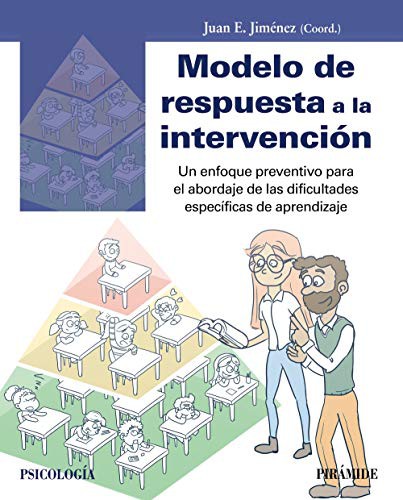 BookResponse to Intervention Model — Juan E. Jimenez
The RTI reference manual in Spanish. Theoretical framework, model components, and practical application in reading, writing, and math.
WebsiteRTI Action NetworkPortal with resources, research, and tools for implementing RTI. Includes guides by tier and curricular area.
ESWebsiteRTI Model — University of La LagunaInformation about the Spanish-language RTI research program led by Juan E. Jimenez in the Canary Islands.
VideoWhat is RTI? — UnderstoodExplanatory video about the RTI model, the three tiers, and how it works in school practice.
 ToolComprehension Stoplight
 ToolExit Ticket
 ToolKanban Board
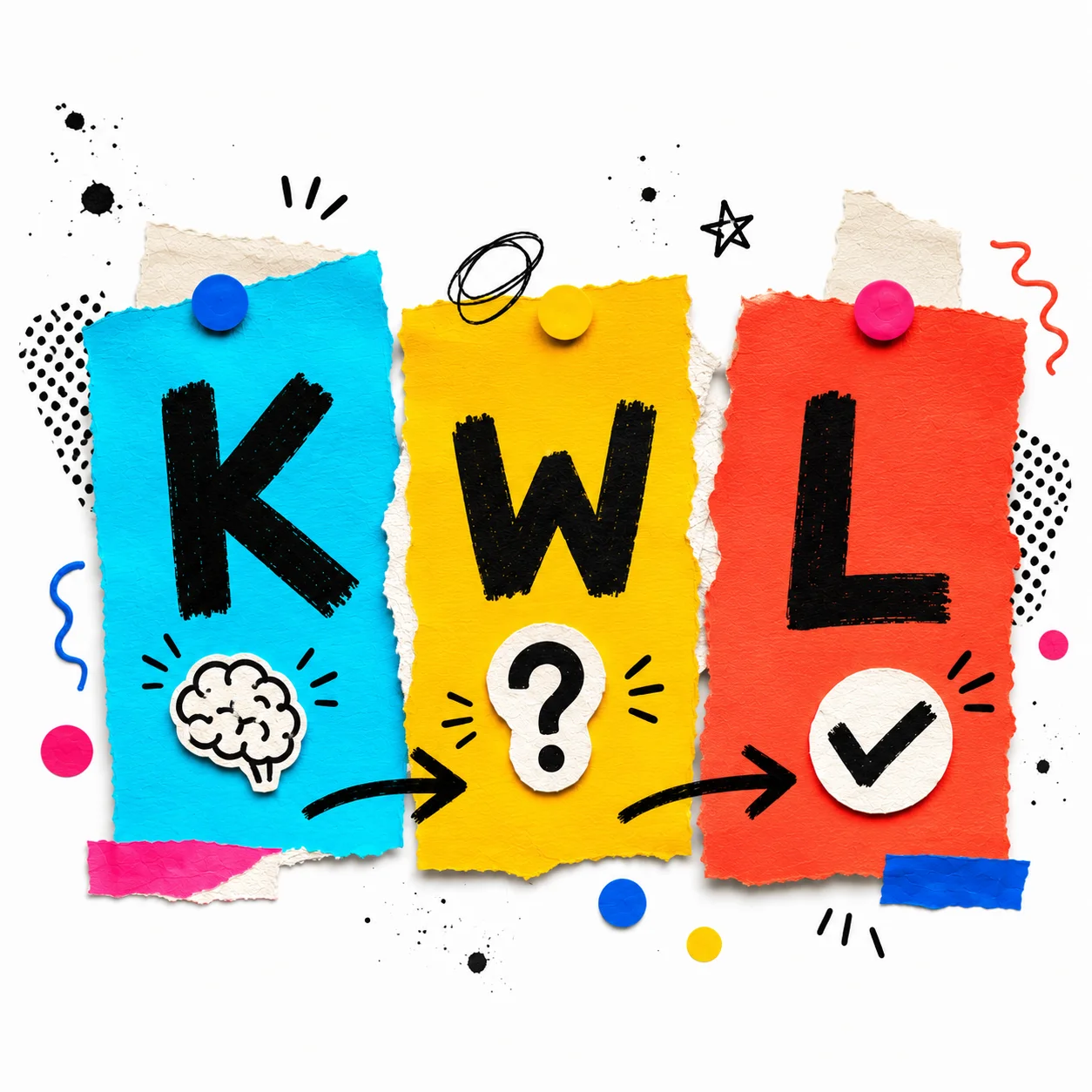 ToolKWL Organizer