Personalized Learning
A model where each student advances at their own pace, starting point, and interests, with the teacher as a designer of individual pathways.
What is it?
Personalized learning starts from a simple premise: students differ not just in pace but in interests, starting points, and ways of processing information. A model where everyone does the same thing at the same time only works well for part of the group. Personalized learning designs pathways instead of single itineraries.
It is not the same as differentiated instruction: differentiation adapts the same class for different profiles. Personalized learning goes further: the student advances at their own pace, chooses the path through which they explore content, and in some models, co-designs their goals. The teacher shifts from transmitting to designing the environment and accompanying individual progress.
Benjamin Bloom demonstrated that students with personalized tutoring outperformed 98% of students in conventional group instruction. The risk lies in isolation: if each student works alone, collaborative learning is lost. The best models combine individual pathways with intentional group moments.
Students are not empty containers filled at the same speed. They are active builders who need scaffolding at the right moment, not the program's moment.
— Carol Ann TomlinsonWhat does it look like in class?
A math teacher organizes class in stations: students work at their own pace through a sequence of concepts with short self-assessments between each one. Those who demonstrate mastery advance; those who do not receive a different support resource and try again. The teacher does not lecture to everyone: they circulate, attend to emerging questions, and give mini-instructions to small groups at the same point in the sequence.
In language arts, students choose their writing project within a framework set by the teacher: they can write a story, an opinion piece, a letter, or a script — all on the same curricular topic. The teacher sets quality criteria (clarity, structure, voice), but the student chooses the genre that best fits how they want to express what they know. Personalization is in the path, not in the standards.
A science teacher uses choice boards: a 3x3 grid where each cell is a different task that addresses the same learning objective with different levels of complexity or format. Students choose which combination of tasks to complete to reach the required score. Some choose the most visual ones, others those that involve research, others those with a numerical component. The teacher assesses the same standard through different evidence.
To study a historical period with a heterogeneous group, the teacher designs a 'missions' system: each student completes a baseline mission (everyone) and then chooses from exploration missions of different complexity levels. Missions include graduated reading texts, videos, primary sources, and analysis tasks. Students who finish early don't wait: they advance to the next exploration mission. Those who need more time don't fall behind the group: they advance when they master.
Signs it works
- Students can describe where they are in their learning and what they need to advance
- The teacher knows each student's specific level, not just the group average
- Students ask questions about their own process ('Is this right?' 'Can I move to the next?') instead of waiting for the teacher to assess the group
- More advanced students are genuinely challenged, not waiting for others to finish
- Those who need more time don't feel 'behind' — they see themselves as being on their own trajectory
Common mistakes
Individualizing excessively: if each student works alone all the time, peer learning and collective construction are lost
Personalizing only the pace: giving more time to do the same thing is not real personalization — content and format must also vary
Thinking it requires technology: it can be implemented with choice boards, progress portfolios, and paper self-assessments
Letting students always choose the easiest option — personalization should not reduce expectations but offer different paths toward the same standards
Neglecting group moments: individual trajectories need meeting points where the group learns together
Key thinkers
Educational psychologist at the University of Chicago. Developed the taxonomy of educational objectives and the 'mastery learning' model: students advance to the next content only when they demonstrate mastery of the previous one, rather than advancing by calendar.
Founder of Khan Academy. Popularized the self-paced learning model on a global scale: short video lessons, adaptive practice, and progress dashboards that allow students to see exactly where they are and what comes next.
Educator at the University of Virginia and reference for differentiated instruction. Her work on how to personalize content, process, and product without multiplying teacher workload is the practical foundation of the field in regular classroom contexts.
New Zealand researcher at the University of Melbourne. His meta-analysis Visible Learning synthesized more than 800 studies and placed individualized feedback and self-regulated learning among the highest-impact factors in academic achievement.
Dive deeper
 BookThe Differentiated Classroom — Carol Ann Tomlinson
Practical guide in Spanish on how to differentiate content, process, and product in the classroom. The most accessible reference for teachers starting with personalization.
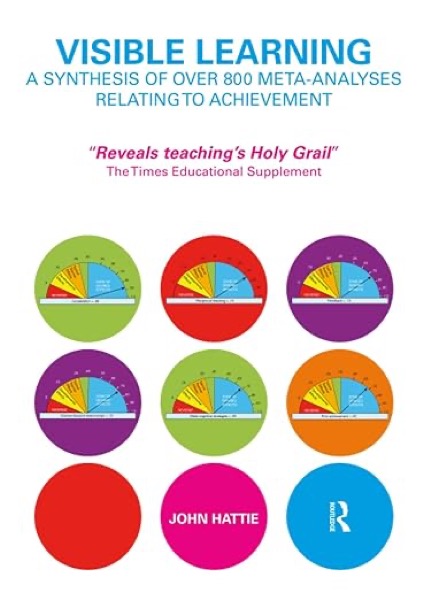 BookVisible Learning — John Hattie
Synthesis of more than 800 meta-analyses on educational effectiveness. Self-regulated learning and individualized feedback appear among the highest-impact factors.
 ToolChoice Board
 ToolProgress Board
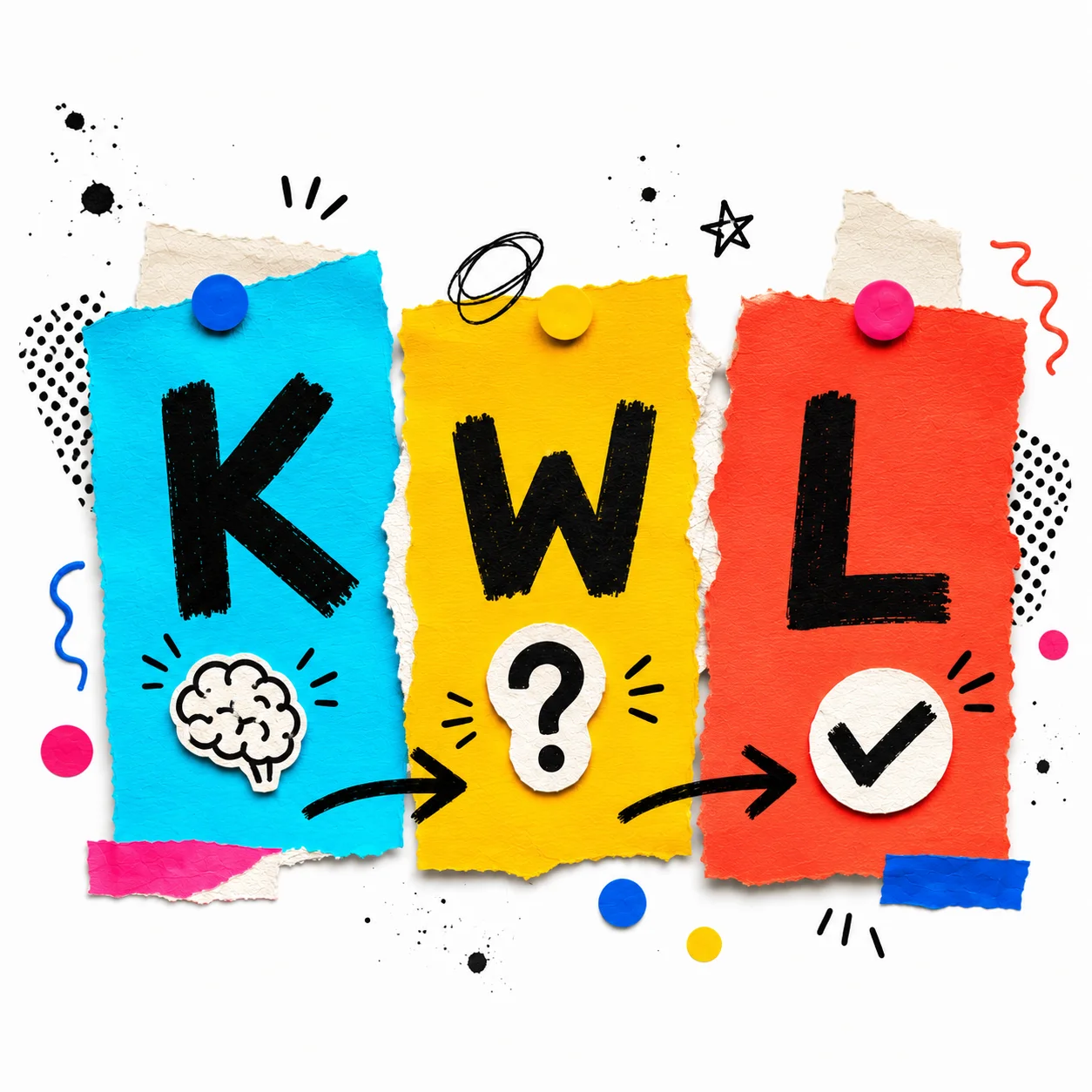 ToolKWL Organizer
 ToolKanban Board
 ToolRubric Generator