Service Learning
Projects that combine curricular learning with service to the real community.
What is it?
Service Learning (SL) unites two elements that usually go separately: rigorous academic learning and solidarity-based service to the community. Students learn curricular content while addressing a real need in their environment. It is neither volunteering nor a typical school project: it is both at once.
The key is reciprocity: the community benefits from the service and students learn more and better because their work has a real recipient and purpose. Motivation changes when you know that what you do matters to someone.
A good SL project has pedagogical intentionality (connects with the curriculum), youth leadership (students lead), genuine service (responds to a real need), and systematic reflection (students analyze the experience).
Service learning is the intersection between what school needs to teach and what the community needs to solve.
— Roser BatlleWhat does it look like in class?
Biology students research water quality in nearby streams, collect samples, analyze data, and present results to the neighborhood council with improvement proposals. They learn science by doing real science for their community.
In language arts, students write and publish stories for children at a community center. The work includes interviews, peer review, editing, and a public reading. They learn writing with a real audience.
Secondary students teach basic computing to senior citizens in the neighborhood. They prepare classes, design materials, and evaluate their students' learning. They learn by teaching.
After each service session, the teacher guides a structured reflection: What did we learn today? What surprised us? How does this connect with what we are studying in class? What would we do differently?
Signs it works
- Students refer to the project as their own — 'our project' — not as an assignment
- The community recognizes and values the students' contribution
- Students can explain what they learned and whom they helped with equal depth
- Links are generated between the school and community organizations
- Students propose continuing or expanding the service beyond the curricular timeframe
Common mistakes
Doing service without learning: painting a park is fine but it is not SL if it does not connect with curricular content
Doing learning without real service: studying poverty without doing anything about it is not SL
Having adults do everything while students just participate — leadership must belong to the students
Not reflecting on the experience — without reflection, service loses its educational potential
Key thinkers
Catalan educator and leading reference for service learning in Spanish. Author, trainer, and creator of the Spanish Service Learning Network.
Director of CLAYSS (Latin American Center for Service Learning). Reference for SL throughout Latin America.
Researcher at the University of Minnesota. His work defines the differences between volunteering, community service, and service learning.
Dive deeper
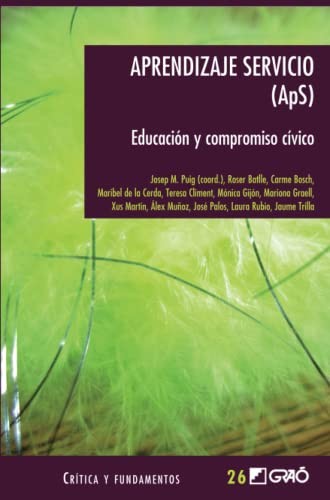 BookService Learning in Spain and the World — Roser Batlle
The reference book in Spanish on SL. Theory, practice, and real experiences from schools in Spain and Latin America.
ESWebsiteSpanish Service Learning NetworkPortal of the Spanish SL Network with experiences, resources, awards, and training in Spanish.
ESWebsiteCLAYSS — Latin American Center for Service LearningResources in Spanish for Latin America. Publications, manuals, and SL experiences from across the region.
ESVideoWhat is Service Learning? — Roser BatlleRoser Batlle clearly explains with examples what SL is and why it transforms education.
 ToolKanban Board
 ToolWork Gallery
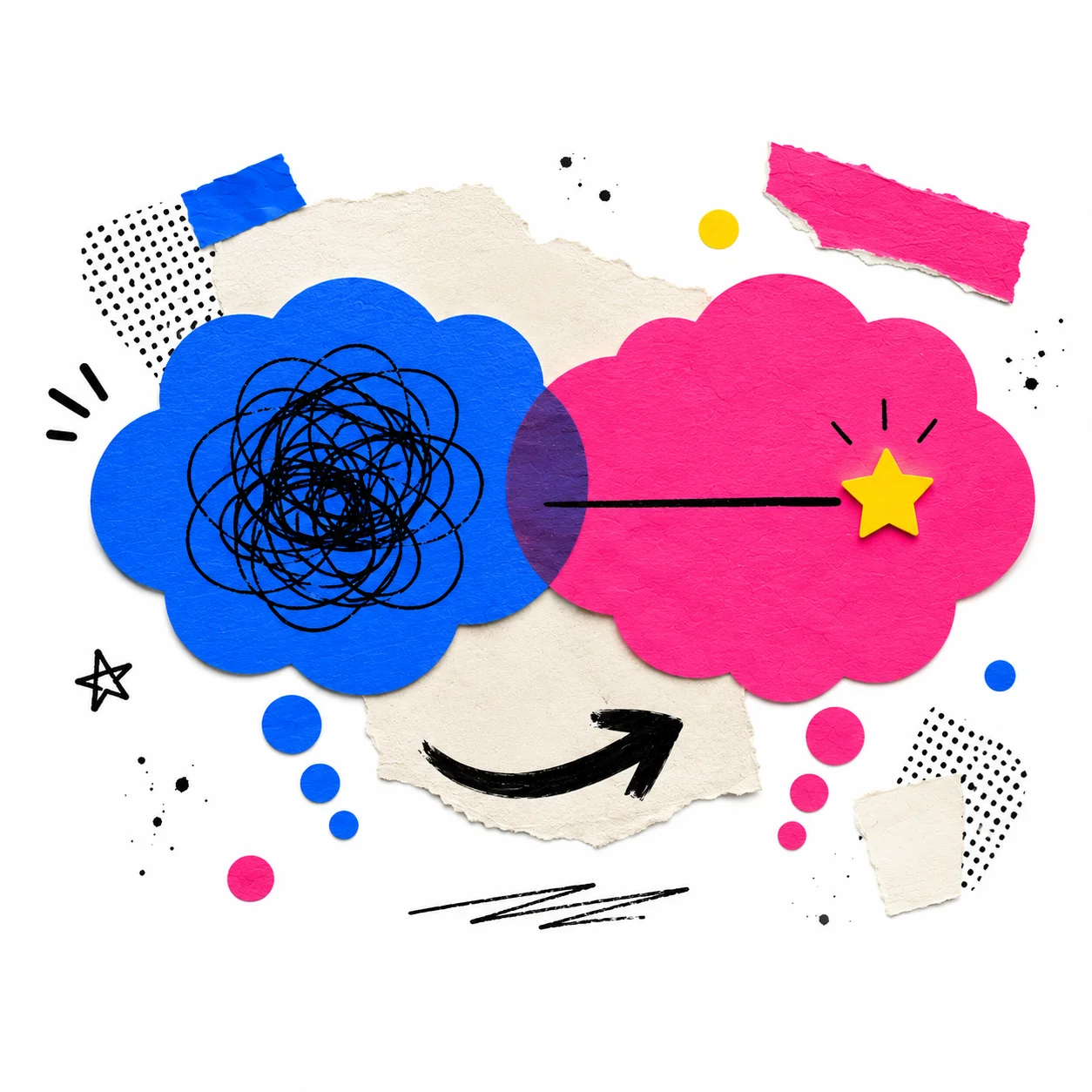 ToolI Used to Think / Now I Think
 ToolCollaborative Ideas Wall