“They’re not interested in anything” — what lies behind disengagement
It is one of the most repeated phrases in teacher lounges: “they’re not interested in anything,” “they won’t participate,” “they’re somewhere else.” The symptom is real. But the most common interpretation — that students are apathetic or that this generation is different — almost never hits the mark.
Disengagement is not a personality trait. It is a response. Students disconnect when they feel they have no control over what happens, when they perceive they are not going to succeed, or when they do not feel part of the group. When that happens, the most useful question is not what is wrong with them, but what conditions in the classroom are blocking their motivation. Because motivation is not something injected from outside — it is something that unlocks when the environment allows it.
What research says
Edward Deci and Richard Ryan have spent decades studying why people do what they do. Their central finding: everyone has three basic psychological needs — autonomy (feeling we choose), competence (feeling we can) and relatedness (feeling we belong). When the classroom satisfies those three needs, motivation appears on its own. When it blocks them, no sticker will buy it back.
Carol Dweck identified another key factor: students who believe their ability is fixed (“I’m bad at mathematics, period”) avoid challenges and give up when they make errors. Those who believe ability is built with effort seek challenges and persist. The good news is that this belief is not innate — it is shaped by how they receive feedback.
And on rewards: Deci demonstrated that when someone is rewarded for doing something they already enjoy, removing the reward causes their motivation to drop below its original level. In the classroom, bonus points and stickers work for a few days — but in the long run they can destroy the very interest they were meant to generate.
Rewards vs. purpose
The first reaction to a disengaged group is usually adding rewards: bonus points, stickers, rankings. And it works — for a few days. The problem appears when the reward is removed or when the student learns to do only what has a reward.
| Extrinsic motivation | Intrinsic motivation | |
|---|---|---|
| Driver | Reward or punishment | Curiosity, autonomy, sense of achievement |
| Example in class | “If you participate, I add points” | “Choose which of these problems you want to solve” |
| Duration of effect | As long as the reward lasts | Sustained over time |
| What happens when removed | The behavior disappears or decreases | The behavior continues |
| Effect on autonomy | Reduces it: student acts for the reward | Increases it: student acts by own decision |
| Main risk | Overjustification: destroys original interest | Requires intentional environment design |
Rewards are not always bad. When used to recognize genuine effort or to give concrete information (“this work shows you mastered the concept”), they can be useful. The problem is when they become the only engine: “do this because there is a reward.”
5 things that actually work
If rewards are not the answer, what is? There are five mechanisms that activate motivation in a sustained way. Each one responds to one of those basic needs mentioned above.
When the student already knows exactly what is going to happen in the next 40 minutes, the brain enters automatic mode. Randomness introduces a degree of uncertainty that activates attention: what will come up? It is not about turning class into a casino — it is about breaking the pattern at key moments.
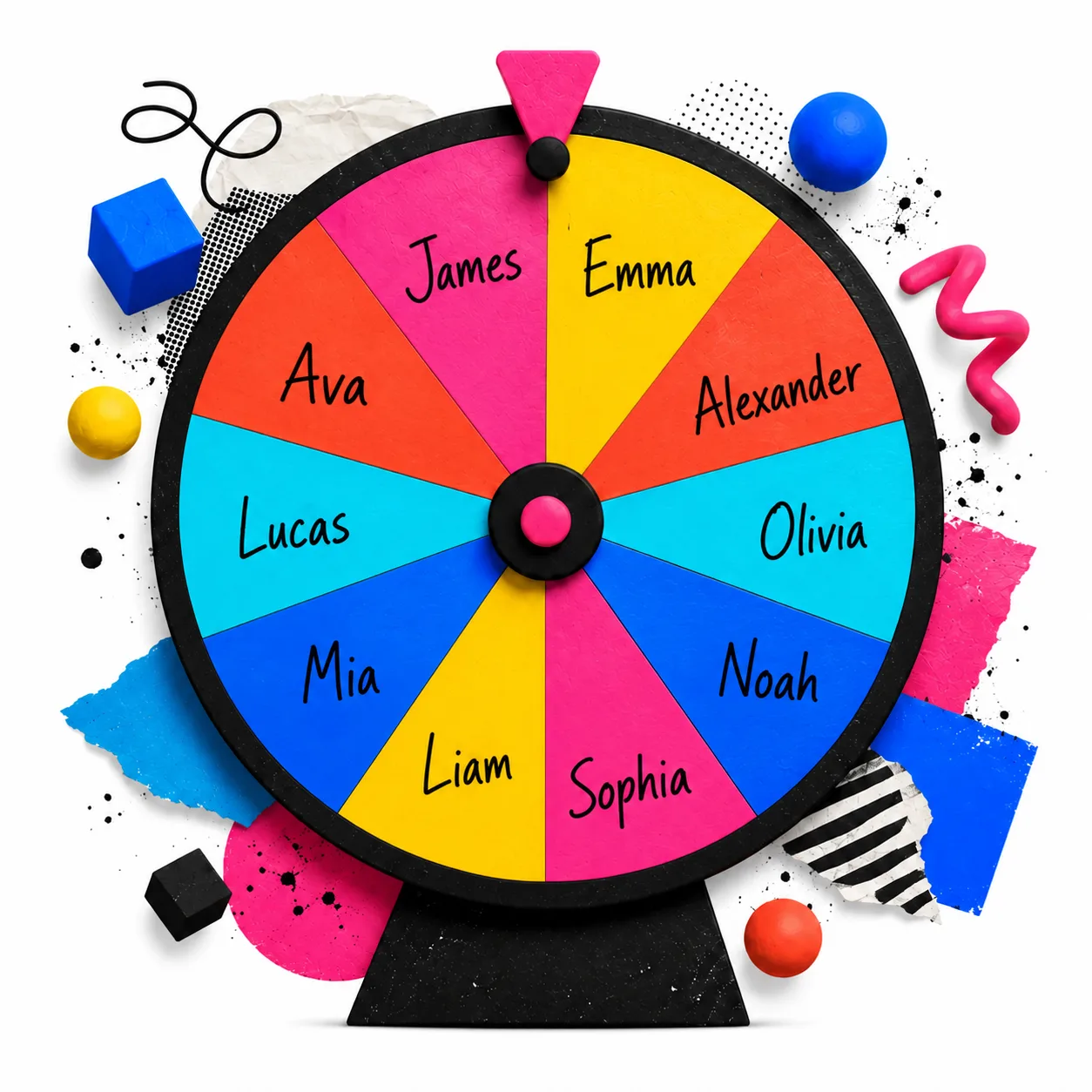
In practice: instead of following the class list order, a name spinner chooses who responds. Instead of the same questions as always, a die determines the type of question. The content is the same; the way of accessing it changes.
When a student can choose — even within a limited frame — their level of engagement changes. It is not about everyone doing whatever they want. It is about giving real options: in what format do they demonstrate what they learned? Which problem do they solve first? With whom do they work?
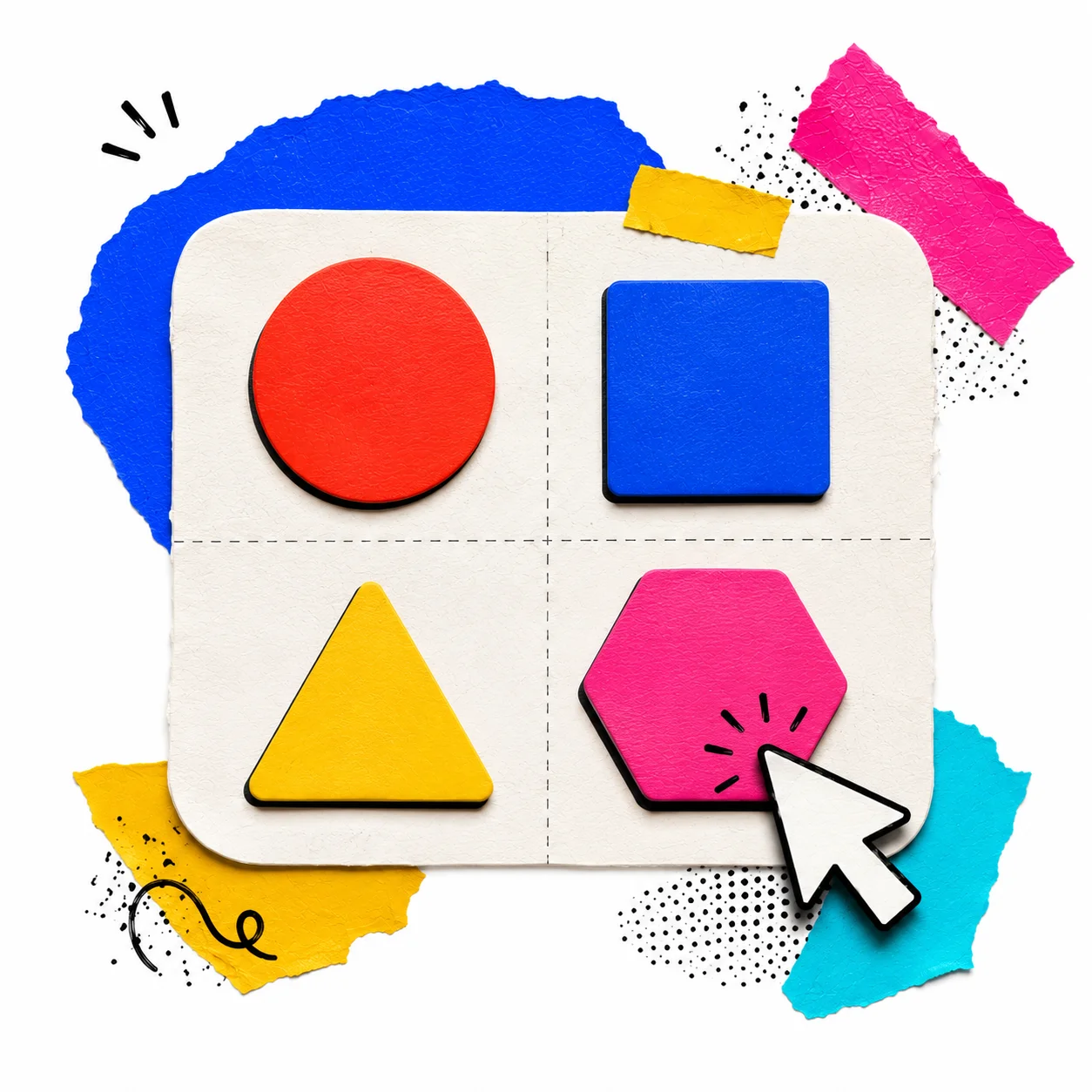
In practice: a board with four ways to demonstrate understanding — text, diagram, oral presentation, experiment — and each student chooses. The objective is the same; the path is different.
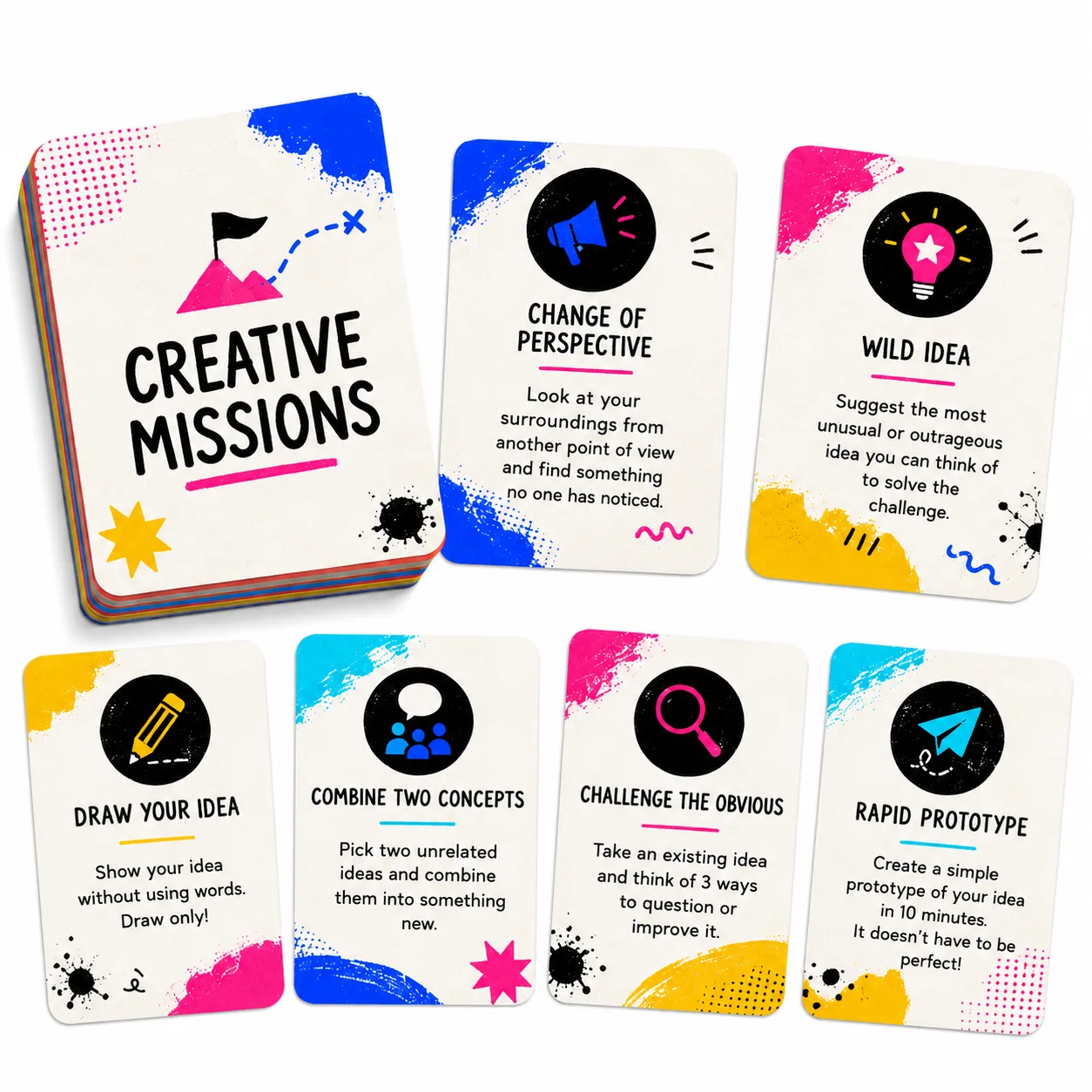
"The task is..." activates obedience. "Your mission is..." activates imagination. The difference is not cosmetic. When the student feels like the protagonist of something — an investigation, a challenge, a mission — the task stops being something that "has to be done" and becomes something they want to complete.
In practice: instead of "solve exercises 1 through 5," present the scenario: "You are engineers and the bridge you designed shows a flaw. You have this data — where is the problem?" The exercises are exactly the same; the narrative frame changes the disposition.
Students need to perceive they are advancing. When learning is invisible ("someday you will understand this"), the sense of competence fades. Making progress visible — not with grades, but with concrete evidence — changes that.
In practice: a display where the concepts the group is mastering are recorded. A system where each student marks which skills they already practice and which are in progress. The key is that they can look back and clearly see how much they have advanced.
The need for belonging is not satisfied with forced group activities. It is satisfied when the student feels their contribution matters and that the group is a safe place to make mistakes. Two minutes of informal conversation before starting with the content can do more for participation than ten additional minutes of instruction.
In practice: open class with an icebreaker question with no correct answer ("What is the most useless invention you can think of?"). Rotate pairs so everyone works with everyone throughout the month. Publicly value productive errors: "that answer is not correct, but the reasoning is interesting — can anyone continue from there?"
Free tools for each lever
Each tool is designed to activate one of the five levers. They are not generic resources — each has a specific moment and purpose.
Question Dice — randomness in the question
When the question-and-answer dynamic becomes predictable, question dice introduce uncertainty. They are rolled before each question and the result determines the type (opinion, application, analysis, creation). It is especially useful in topic reviews, where repetition tends to flatten the group’s energy. Randomness eliminates the feeling of routine without changing the content.
Name Spinner — randomness in who participates
The spinner solves a concrete problem: when the same students always participate and the rest hide. When the spinner turns, the decision is no longer the teacher’s — and the student cannot feel “they chose me.” The visual suspense (the spinner turning, stopping) generates a micro-moment of collective attention that predisposes better than any “okay, who wants to participate?”
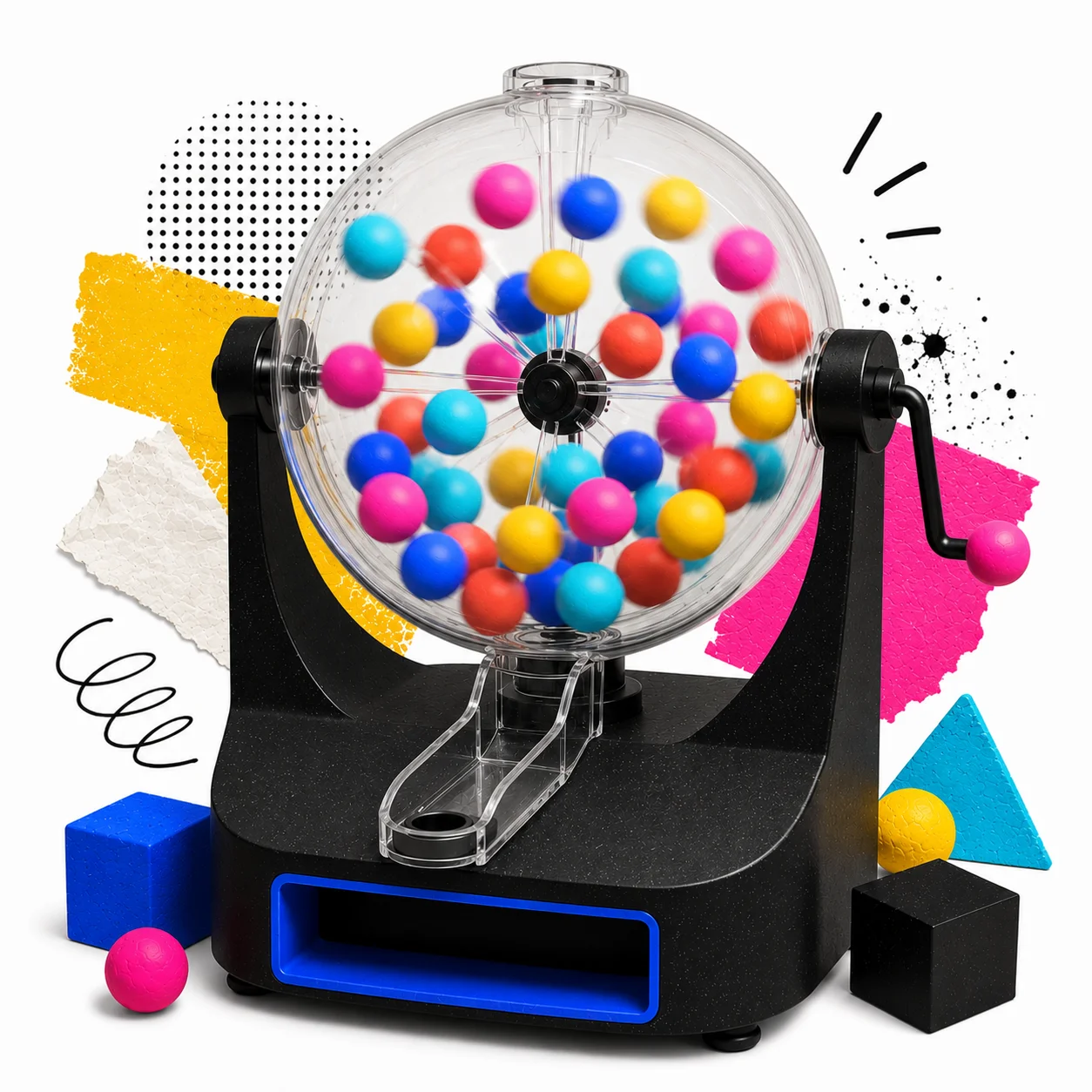
Random Selector — randomness in the decision
Any moment where a choice needs to be made (what topic is worked on first, which team presents, which challenge comes up) can become an unpredictable event. The random selector transforms administrative decisions into moments of anticipation. It is useful for teachers who notice the class loses energy in transitions between activities.
Creative Mission Cards — narrative with purpose
These cards change the framing of the task. Instead of “the task is…”, they present “your mission is…”. Each card includes a scenario, a role and an objective. The curricular content is present, but wrapped in a narrative that gives it meaning. They are especially effective when the group shows resistance to tasks they perceive as boring or repetitive.
Choice Board — real autonomy
The board presents several options for demonstrating learning. The student chooses the format they prefer: text, audio, visual, hands-on. This directly responds to the need for autonomy and has an important secondary effect: it reduces resistance to the task, because the student feels they have control over how they approach it.
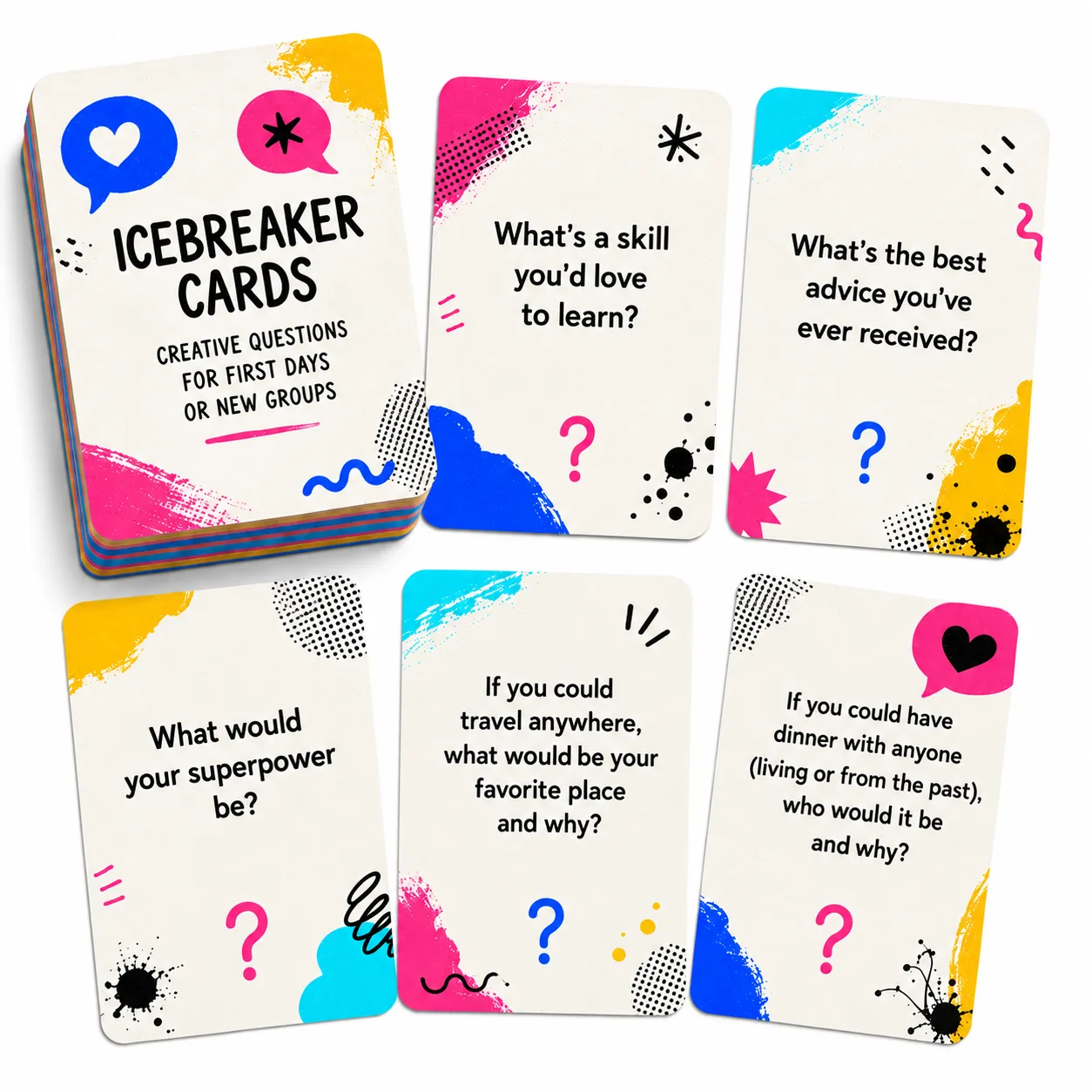
Icebreaker Cards — connection before content
Two minutes of informal conversation before starting the topic. The cards present questions with no correct answer that generate genuine exchange. Their function is not to “entertain” but to lower the participation barrier: a group that has already talked with each other has less resistance to talking about the content. They are particularly useful on Mondays, in classes with new groups or after assessments.
Common mistakes
Believing more rewards = more motivation. It is the most common trap. It works for one week. Afterward, when the reward is removed, motivation falls below where it was before starting. Stickers and bonus points do not build commitment — they rent it.
Gamifying everything, all the time. Gamification is a tool, not a complete pedagogy. When every class has points, levels and rankings, the mechanism loses novelty and students start optimizing for the game instead of for learning. Randomness and narrative work better when used at strategic moments, not as a permanent structure.
Confusing entertainment with engagement. A group that laughs is not necessarily a group that learns. Entertainment is passive: the student consumes. Engagement is active: the student produces. The goal is not for class to be “fun” — it is for it to be meaningful, with something at stake and real agency.
Blaming students. “This generation is not interested in anything.” When disengagement is attributed only to them, the possibility of changing something closes. Research is consistent on this: the classroom environment explains motivation more than the characteristics of each student.
What competencies it develops
Recovering motivation is not just a means to teach content — it is itself a process that activates transversal competencies:
- When a student chooses how to demonstrate what they learned and sustains their decision until completion, they are developing initiative and proactivity: the capacity to take action without waiting for instructions.
- When they face a creative mission with no obvious solution and try different paths, they are exercising creative thinking: the capacity to generate original ideas before open problems.
- When a challenge turns out more difficult than expected and they decide to try again instead of giving up, they are practicing perseverance and frustration tolerance.
- When they receive feedback that highlights the process (“your strategy improved”) instead of a fixed result (“you are good/bad at this”), they are building growth mindset: the belief that capacity develops with effort.
How to start
No need to transform the whole class. One small, well-chosen change can alter participation dynamics within days:
Replace "who wants to participate?" with the name spinner. This single change distributes participation, eliminates the feeling of being singled out and generates a micro-moment of collective attention. Combine it with question dice so the question is also unpredictable.
Incorporate a choice board into a weekly task. Offer at least three ways to demonstrate understanding and let each student choose. Observe how the disposition toward the task changes when there is real autonomy.
Open each class with an icebreaker card for two consecutive weeks and use creative mission cards to reframe the most resisted task in the program. Narrative and social connection are the slowest levers but the most lasting.
Motivation is not imposed or bought. It unlocks when the student feels they have choice, that they can advance and that they belong to the group. The tools are the means — the classroom conditions are the message.