Flipped Classroom
Students study content at home and use class time to practice, discuss, and deepen understanding.
What is it?
The flipped classroom inverts the traditional logic: what was once done in class (the explanation) happens at home, and what was once homework (practice) happens in class. The face-to-face time is freed up for what really needs the teacher: resolving doubts, applying, debating, and creating.
Students access content before class through short videos, readings, or podcasts. They arrive at school with a foundation that allows going straight to action: exercises, collaborative projects, or deep discussions.
It is not about posting a video and calling it done. The model's success depends on designing both phases well: clear and engaging pre-class material, and a classroom session that genuinely uses that prior knowledge to go further.
The flipped classroom is not about videos. It is about using class time better so that learning becomes active.
— Jonathan BergmannWhat does it look like in class?
The teacher records an 8-minute video explaining a concept. Students watch it at home and answer 3 comprehension questions. In class, they work in teams solving problems that apply that concept.
Before class, students read an article and note their questions. Class starts with those questions: the teacher groups them by topic and teams resolve them among themselves before the teacher intervenes.
Students who already understood the content help those with doubts while the teacher works with a small group that needs more support. Differentiation happens naturally.
The teacher uses the first 10 minutes for a quick quiz on the pre-class material. The results show in real time what was understood and what needs reinforcing.
Signs it works
- Students arrive with specific questions instead of waiting for the explanation
- Class time is dedicated to application activities, not lecture
- Students who finish early can advance to more complex challenges
- The teacher has more time to attend individually to those who need it
- Students review pre-class material more than once when they need to
Common mistakes
Assuming all students have access to technology and connectivity at home — alternatives must be offered
Making videos too long — more than 10 minutes loses effectiveness, ideal is 5 to 8
Not verifying that students watched the material before class — without that base, the class doesn't work
Using class time to repeat the video explanation — that cancels the model
Key thinkers
Co-creator of the flipped classroom model with Aaron Sams. Chemistry teachers who started recording classes for absent students and discovered a new model.
Co-creator of the flipped classroom. Together with Bergmann, founded the Flipped Learning Network, which now brings together thousands of teachers worldwide.
Professor at the University of La Rioja and leading reference for flipped learning in Spanish. Author of books and resources on flipped learning.
Dive deeper
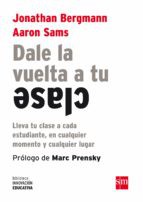 BookFlip Your Classroom — Bergmann and Sams
The foundational book of the flipped classroom. Practical guide with real examples of how to implement the model.
 PDFDigital Education in the Americas: Good Practices to Inspire
Collection of inspiring digital education experiences from Latin America, including examples of how teachers redesigned their classes with technology.
ESWebsiteThe Flipped Classroom — Raul SantiagoThe reference portal in Spanish about flipped classrooms. Articles, experiences, and free resources.
WebsiteFlipped Learning NetworkGlobal network of teachers who practice the flipped classroom. Resources, research, and community.
VideoThe Flipped Classroom — Khan AcademySal Khan explains how Khan Academy facilitates the flipped classroom model with concrete examples.
 ToolVisual Timer
 ToolExit Ticket
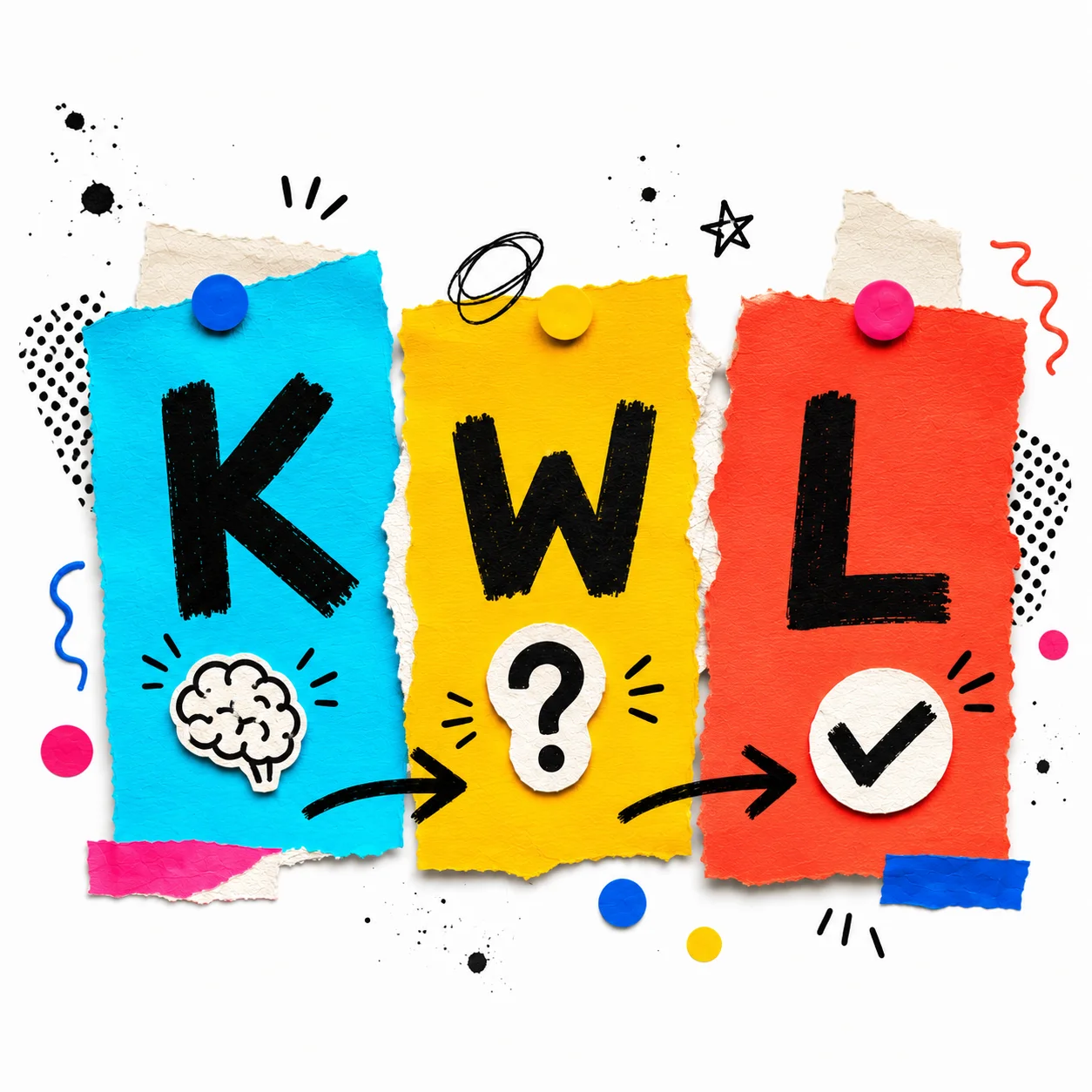 ToolKWL Organizer
 ToolComprehension Stoplight