Problem Solving
Identify problems, generate alternatives, and choose the best solution with sound judgment.
We cannot solve problems by using the same kind of thinking we used when we created them.
— Albert EinsteinMastery progression
Gets stuck when facing obstacles. Waits for someone to tell them what to do. Tries only one solution.
Identifies the problem but struggles to break it down. Generates few alternatives. Needs guidance to evaluate options.
Defines problems clearly. Generates multiple alternatives and chooses with judgment. Iterates when the first solution fails.
Anticipates problems before they arise. Designs elegant, scalable solutions. Teaches others to solve.
- Identify that something isn't working and describe the problem
- Propose at least one solution for a familiar problem
- Follow a step-by-step procedure to reach a solution
- Break a complex problem down into smaller parts
- Generate multiple alternatives before choosing one
- Evaluate pros and cons of each option with judgment
- Iterate on a solution that didn't work without getting frustrated
- Identify problems that no one else has detected
- Design systemic solutions that address root causes
- Transfer problem-solving strategies from one domain to a completely different one
Questions that activate it
Tap a card to see the coaching guide
What exactly is the problem?
Tap to flipForces precise definition. Many students jump to solving without understanding what they're solving. Ask them to write it in one sentence.
Tap to returnWhat have you already tried, and why didn't it work?
Tap to flipValidates prior effort and helps analyze failed attempts. Teaches that failure is information, not the end of the road.
Tap to returnWhat would happen if you did nothing?
Tap to flipAssesses the real urgency of the problem. Sometimes the best solution is to wait. Teaches prioritization.
Tap to returnCan you break this into smaller pieces?
Tap to flipIntroduces decomposition. An enormous problem becomes manageable when split into subproblems. Fundamental in computational thinking.
Tap to returnWhat options do you have besides that one?
Tap to flipPushes them to generate alternatives before committing to one. Combats the tendency to stick with the first idea.
Tap to returnWhat's the worst that could happen if you try?
Tap to flipReduces paralysis by analysis. If the worst-case scenario is tolerable, it's worth trying. Encourages action.
Tap to returnHas anyone already solved something similar?
Tap to flipActivates the search for references and analogies. No need to reinvent the wheel. Teaches researching before creating.
Tap to returnHow will you know when the problem is solved?
Tap to flipDefines success criteria before acting. Without this, a student might keep solving indefinitely without knowing when to stop.
Tap to returnStudents who learn to solve problems explicitly transfer those skills to other domains. The effect is stronger when they are taught to name the strategies they use.
Mayer & Wittrock, 2006 — Handbook of Educational PsychologyIdeas for developing it
- Present a problem with insufficient data and ask students to identify what's missing
- Solve the same problem in 3 different ways and compare efficiency
- Design an experiment to answer a question the group generated — see Guided Inquiry
- Analyze a failed experiment and identify where the error occurred
- Use the Kanban Board to visualize project progress and blockers
- Hold a retrospective at the end of the project: what worked, what didn't, what would you change
- Solve a concrete classroom problem: noise, space, materials
- Plan a school activity factoring in real constraints
- Build a quick solution with recycled materials and test it — see Design Thinking
- Iterate 3 times on a prototype incorporating feedback — see Maker Education
- Use the 5 Whys technique to reach the root cause
- Hold a brainwriting session where each person writes solutions in silence — use the Idea Wall
- Analyze a real case of a company that solved a complex problem
- Simulate a scenario where a problem must be solved with incomplete information
- Educational escape room: solve chained puzzles to get out — see Purposeful Gamification
- Progressive logic games where each level adds complexity
- Program a simple solution to an everyday problem
- Debug someone else's code: find and fix the errors
Resources and tools
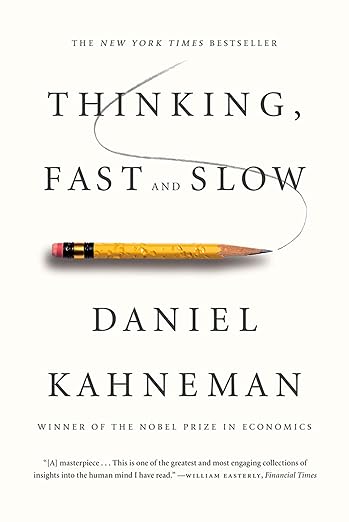 BookThinking, Fast and Slow — Daniel Kahneman
The Nobel Prize winner in Economics explains how we think and why we make systematic errors when solving problems.
Cause-Effect DiagramESWebsiteProblem-Based Learning — Teacher's GuidePractical guide on PBL with examples and templates for classroom implementation.
Kanban BoardWebsiteProblem Solving Techniques — MindToolsCollection of problem-solving techniques with step-by-step explanations.
KWL OrganizerESVideoHow to Solve Complex Problems — TEDxTalk on strategies for tackling problems that seem unsolvable.
Venn DiagramQuestion DiceBloom CardsCollaborative Idea WallChoice Board