Universal Design for Learning
A framework offering multiple means of representation, action-expression, and engagement for all students.
What is it?
Universal Design for Learning (UDL) is an educational framework based on neuroscience that proposes designing classes to be accessible for everyone from the start. It is not about adapting afterwards but about planning with flexibility from the beginning. When the design is good, individual adaptations are drastically reduced.
UDL is organized around three principles: multiple means of representation (the 'what' of learning — how we present information), multiple means of action and expression (the 'how' — the ways students demonstrate what they know), and multiple means of engagement (the 'why' — how we motivate and sustain interest).
The central idea comes from universal design in architecture: a ramp is not only for wheelchairs — people with strollers, luggage, or bikes also use it. Similarly, a class designed with multiple access pathways benefits all students, not only those with specific needs.
The disability is not in the student but in the curriculum. An inflexible curriculum is a disabling curriculum.
— David Rose y Anne MeyerWhat does it look like in class?
The teacher presents a science topic using video, text, images, and a visual diagram. Students choose the format that works best for accessing the content. The information is the same but the access pathway is flexible.
To demonstrate comprehension, students can choose between writing an essay, recording an audio, giving a presentation, creating an infographic, or building a model. The learning objective is the same; the expression format varies.
The teacher offers engagement options: individual or group work, topics linked to personal interests, graduated challenge levels. Each student finds their entry point to learning.
When planning the unit, the teacher asks: Are there students who won't be able to access this content in this format? Are there students who won't be able to demonstrate what they know in this single way? The answers guide flexible design.
Signs it works
- All students participate actively — there are no students sitting without doing anything because they don't understand
- Students choose how to access content and how to demonstrate what they learned
- Adaptations are not exceptions but part of the normal class design
- There are fewer referrals to external supports because the class itself is accessible
- Students with different learning profiles work together without needing to be separated
Common mistakes
Thinking UDL is just giving options — options must be aligned with learning objectives
Applying UDL only for students with disabilities — the framework is for everyone, not only for special inclusion
Confusing UDL with technology — technology can help but UDL is a pedagogical design framework
Adding options without structure: three forms of expression without clear assessment criteria is not UDL
Key thinkers
Founders of CAST and creators of the UDL framework. Their work connects neuroscience with inclusive pedagogical design.
Professor at the Universidad Complutense de Madrid. Leading reference for UDL in Spanish with research and training.
Spanish educational guidance counselor and author. Active UDL disseminator with a practical approach for teachers.
Dive deeper
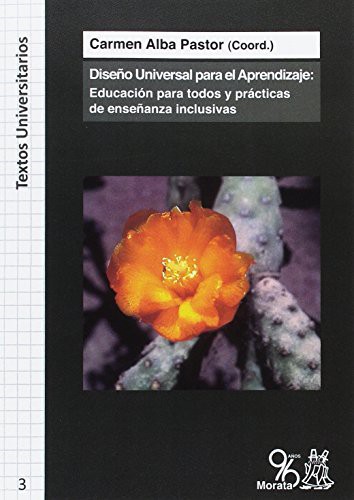 BookUniversal Design for Learning — Carmen Alba Pastor
The UDL reference book in Spanish. Theory, neuroscience, and practical strategies for designing accessible classes.
ES PDFSocial Inclusion through Digital Education
ProFuturo report on digital education and inclusion. Complements UDL with regional perspectives on guaranteeing digital access and participation for all.
 WebsiteUniversal Design for Learning (UDL) — DEXPA
Practical guide on UDL from an instructional design perspective: what it is, its three principles, and how to apply it to create inclusive learning experiences.
WebsiteCAST — Universal Design for LearningThe organization that created UDL. Guides, tools, and the complete framework with the three principles and their guidelines.
ESWebsiteEducadua — Coral ElizondoCoral Elizondo's blog with articles, infographics, and practical UDL resources in Spanish. Very accessible for teachers.
VideoWhat is UDL? — CASTCAST's official video explaining the three UDL principles visually and clearly.
 ToolChoice Board
 ToolWork Gallery
 ToolComprehension Stoplight
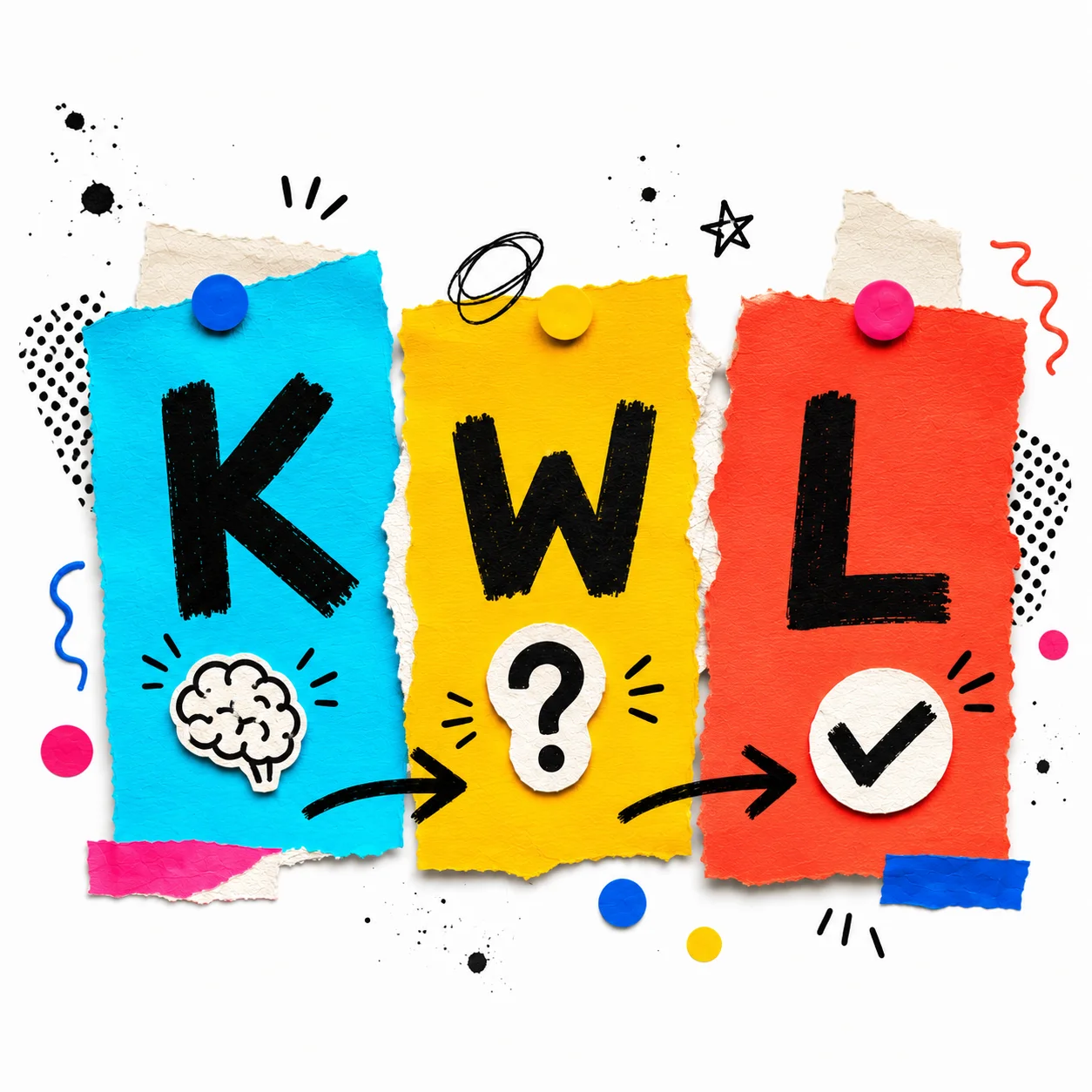 ToolKWL Organizer