The real classroom: 20 students, 20 starting points
A teacher explains a topic. Five minutes in, three students have already finished the activity and are bored. Five still do not understand the instructions. Two need the text in a larger size. One works better drawing than writing. Another gets stuck because they do not know where to begin.
This is not a problem with the students. It is the result of designing for an average student who, in practice, does not exist. Todd Rose, in The End of Average (2016), demonstrated that when the US Air Force designed airplane cockpits for the pilot of average dimensions, they did not fit any real pilot well. In the classroom the same thing happens: a class designed for the average student does not work optimally for anyone.
The good news is that adapting does not mean making 20 different classes. It means designing a class with enough flexibility so that 20 different students can access the same learning.
The theory behind the practice
The most solid framework for addressing this challenge is Universal Design for Learning (UDL), developed by David Rose and Anne Meyer at the Center for Applied Special Technology (CAST, 2002; updated in 2018). Its central premise is that variability among students is not the exception but the norm, and that design must anticipate it from the start instead of making adjustments afterward.
UDL is organized around three principles:
Offering information in more than one format (text, audio, image, video) because students perceive and understand in different ways.
Allowing students to demonstrate what they learned in more than one way (writing, drawing, recording, building).
Varying the ways of motivating and involving, because what hooks one student may not work for another.
Carol Ann Tomlinson (2001) complements this approach with differentiated instruction: a model where the teacher maintains the same learning objectives for everyone but adjusts the content, process or product according to each student’s readiness, interest or learning profile. The key difference from simplification is that the expectation is not lowered — the path is changed.
Both frameworks agree on one point: the most effective adaptation is the one designed from the start, not improvised when a student cannot keep up.
3 levels of adaptation without multiplying the work
Not all differentiation requires the same effort. These three levels allow gradual progress:
| Level | What changes | Teacher effort | Concrete example |
|---|---|---|---|
| Level 1: same activity, format options | The student chooses how to receive or deliver | Minimal — the option is offered | “Read the text or listen to the audio. Respond in writing or record a 1-minute audio.” |
| Level 2: same objective, different paths | 2–3 routes to the same learning are offered | Moderate — the routes are designed | For learning about ecosystems: route A (read and summarize), route B (analyze a case), route C (build a model). |
| Level 3: choice board | The student chooses between 4–6 ways to demonstrate mastery | Once — the board is designed | A board with 6 options: write an essay, create an infographic, record a podcast, design a mind map, solve a case, teach a classmate. |
Level 1 can be implemented from the next class without additional preparation. Level 3 requires an initial design investment, but once built, the board is reused and reduces workload in the long run.
The difference between simplifying and adapting
The most frequent confusion when talking about adaptation is equating it with simplification. Simplifying lowers the ceiling. Adapting opens doors. These three transformations illustrate the difference:
Before (simplifying): “Since this group has difficulties, I give them a shorter text with true/false questions.” After (adapting): “Everyone works with the same text. Those who need support receive a reading guide with orienting questions. Those who are more advanced receive an extension question that connects the text with another topic.”
Before (simplifying): “For students with difficulties I ask them to do only the first 5 exercises instead of the 10.” After (adapting): “Everyone solves 5 problems. Problems 1 to 3 are the same for everyone. Problems 4 and 5 have three versions: one with scaffolding (hints and intermediate steps), a standard one and an extension.”
Before (simplifying): “I eliminate the oral presentation for those with expression difficulties.” After (adapting): “The final product can be an oral presentation, a recorded video, a poster with written explanation or a practical demonstration. Everyone must explain the same central concept.”
In all three cases, the learning objective does not change. What changes is the path to reach it.
Free tools for each UDL principle
Each tool on this site connects with at least one of the three UDL principles. All are free, work from a phone and require no registration.
Choice board — multiple means of action and expression
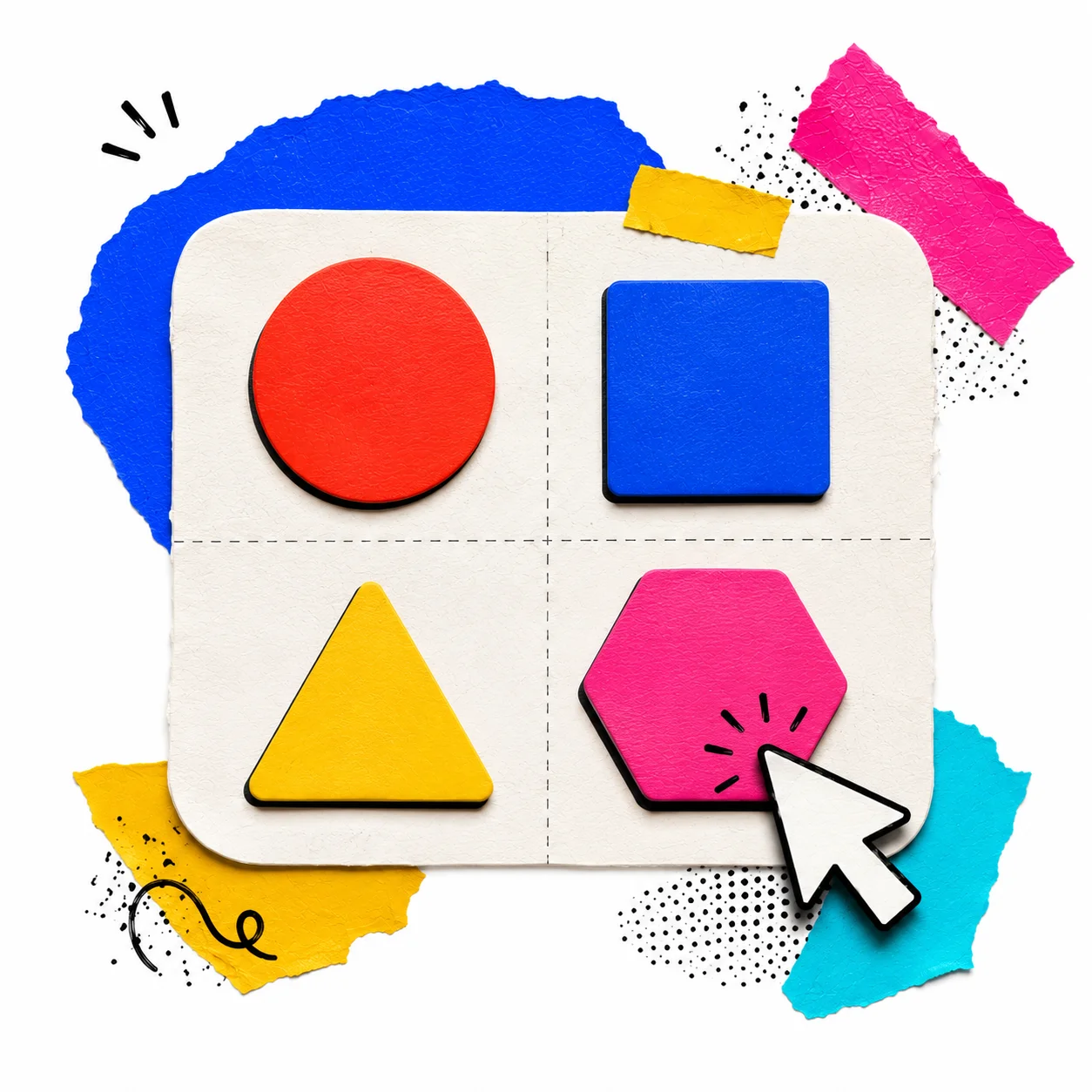
The choice board is the most direct tool for implementing the multiple means of expression principle. It presents between 4 and 6 options for demonstrating learning of the same topic, and the student chooses the one that best fits their strengths or interests. Use when assigning a final product or a unit closing activity. The teacher designs the board once and reuses it with different topics.
Comprehension stoplight — multiple means of engagement
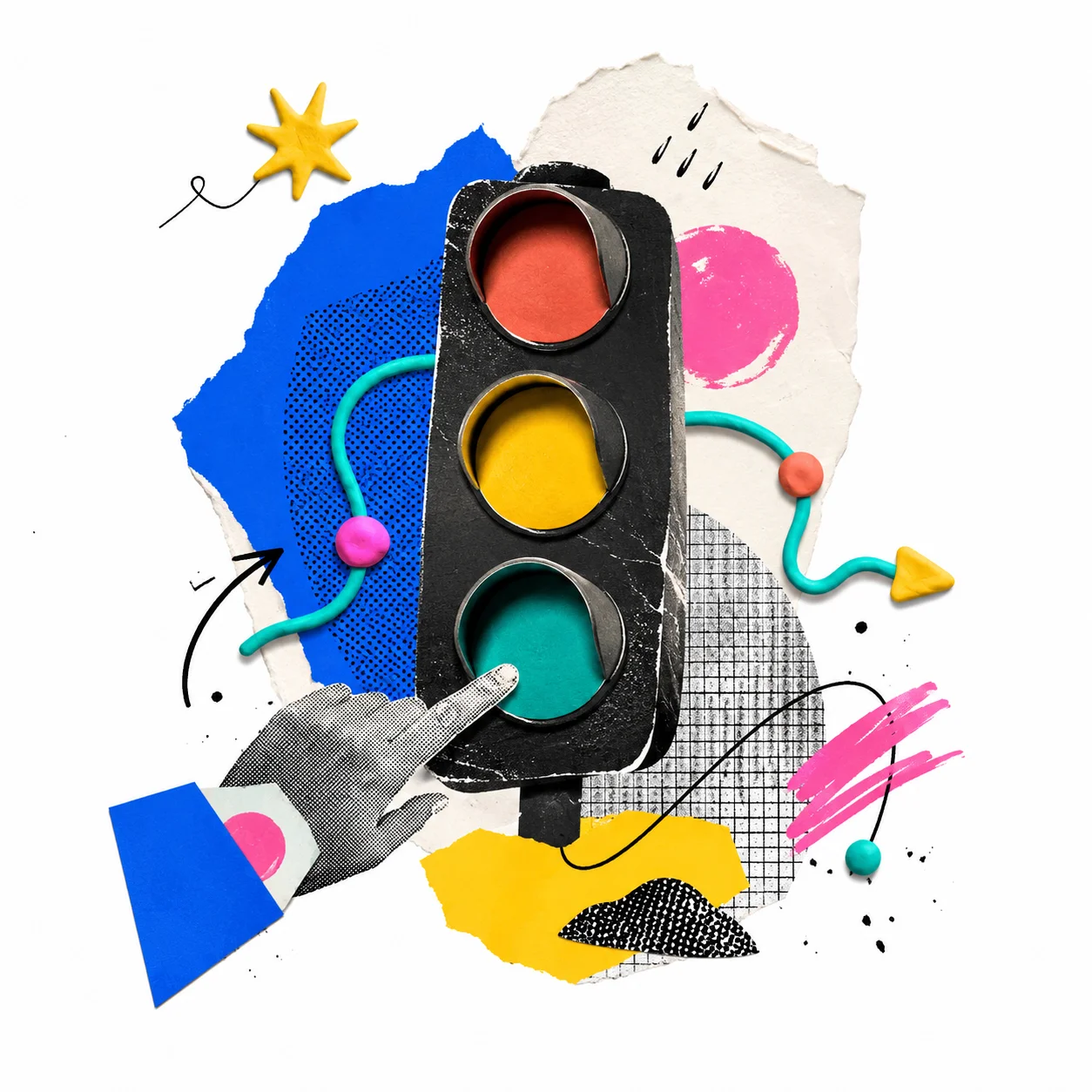
Allows each student to communicate their comprehension level in real time without exposing themselves in front of the group. Use after each key explanation or before moving to practice. The results tell the teacher who needs a re-explanation, who can advance alone and who could help a classmate — essential information for differentiating in the moment.
Agreement scale — multiple means of engagement
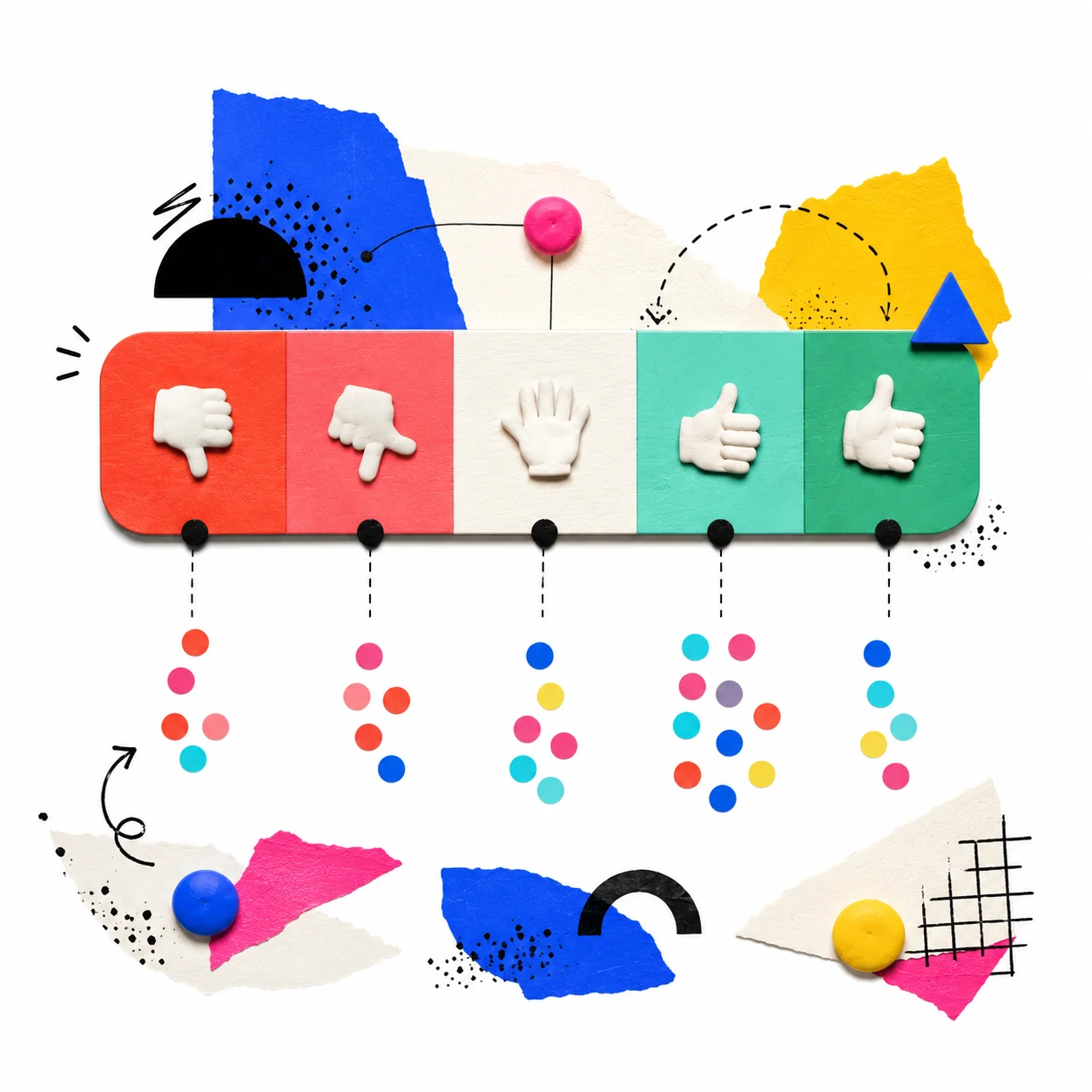
Collects individual perception silently, making it a safe participation tool for students who do not dare to speak orally. Use at the start of a topic to diagnose prior conceptions, or during class to verify comprehension without the pressure of raising a hand. Each student positions themselves individually, and the teacher sees the complete group picture.
Creative mission cards — multiple means of action and expression
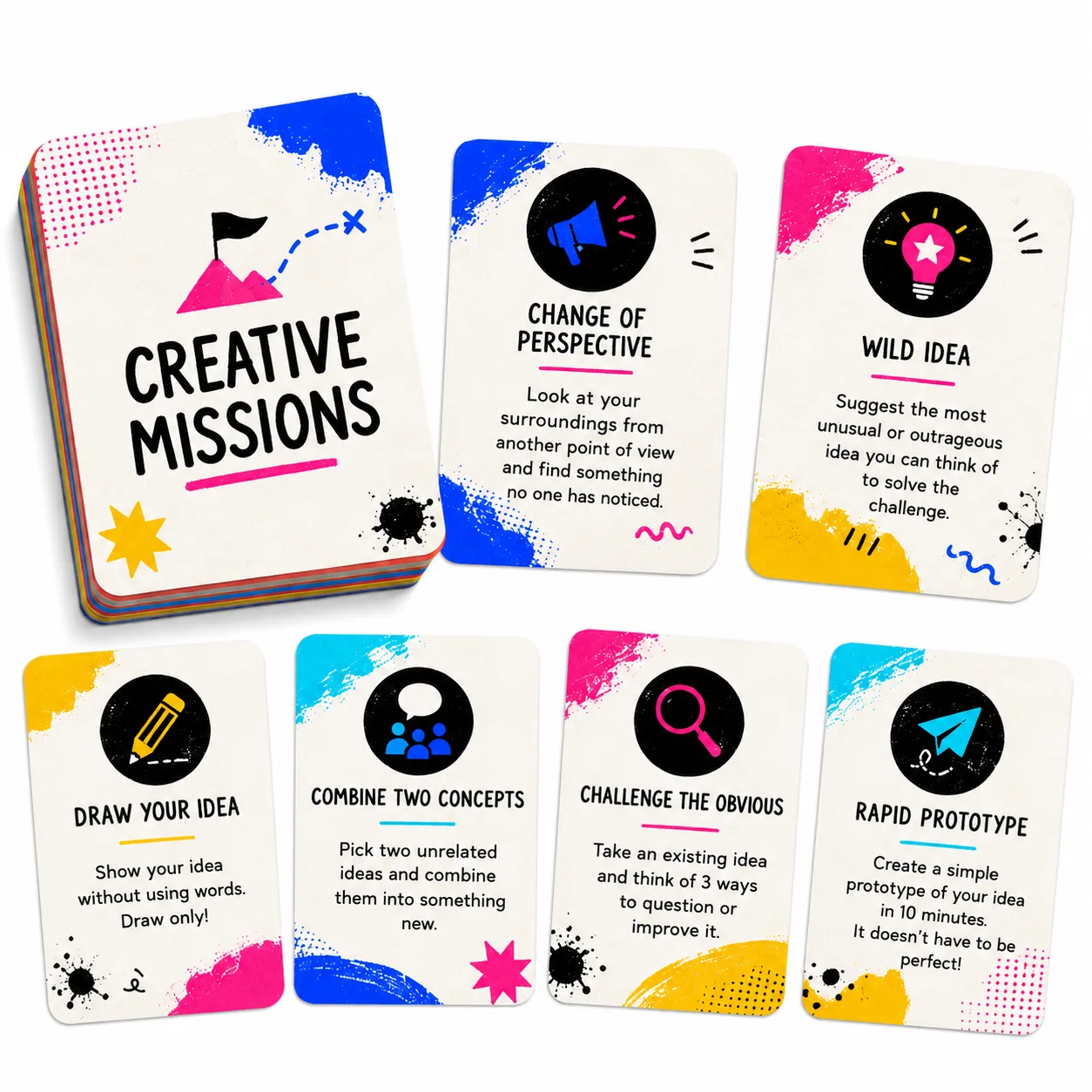
Each card proposes a different mission that leads to the same learning objective. When receiving a card, the student works with a different challenge without feeling they receive different treatment from the rest. Use when wanting to differentiate without making the differentiation visible: everyone receives a card, everyone works, but each one by their own path.
Collaborative ideas wall — multiple means of representation
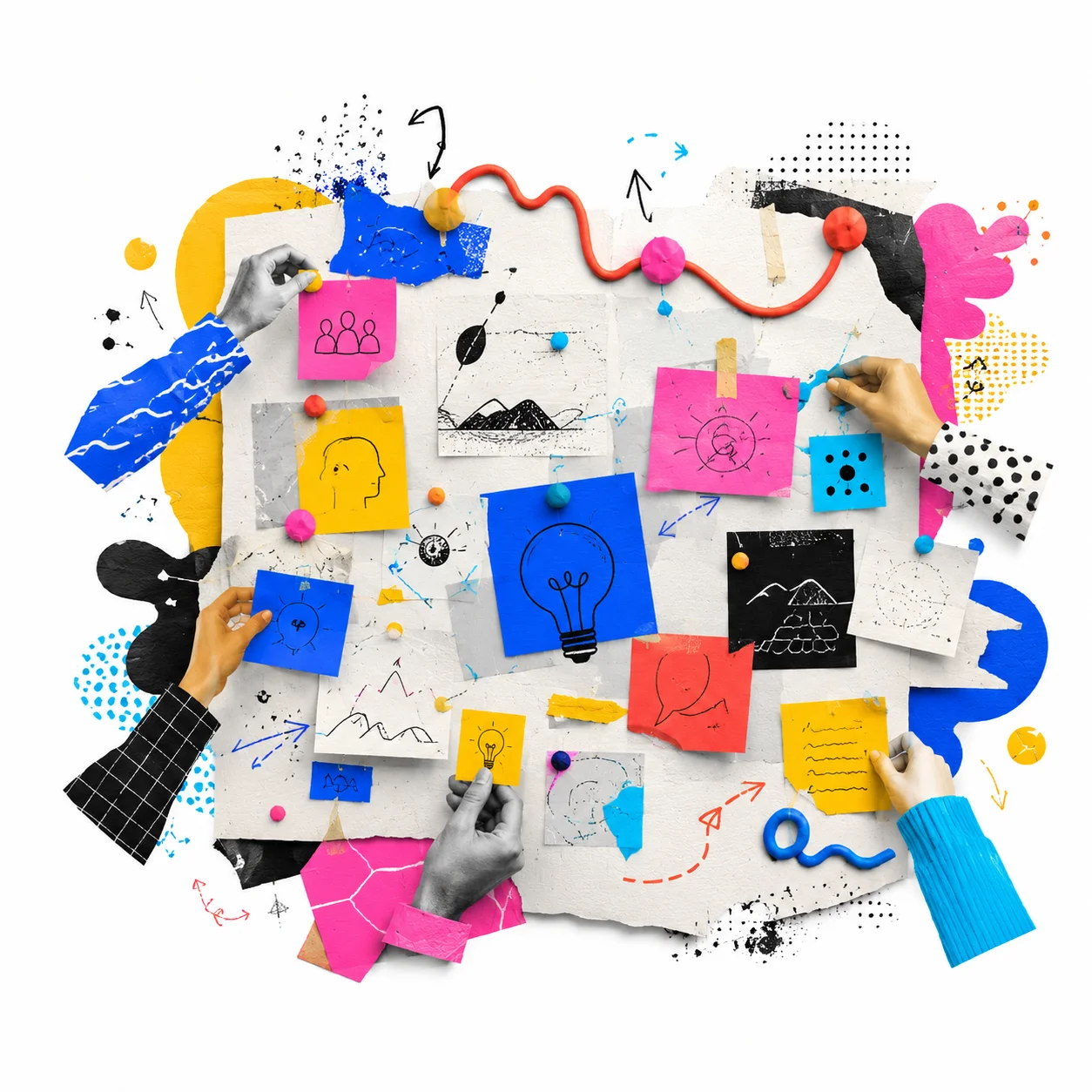
Allows students to share ideas, questions or connections in writing and anonymously. This eliminates the barrier of speaking in public and gives visibility to voices that would otherwise remain silent. Use to collect prior knowledge, for the group to build a collective explanation, or as a permanent anonymous questions channel throughout the entire unit.
Visual timer — multiple means of engagement
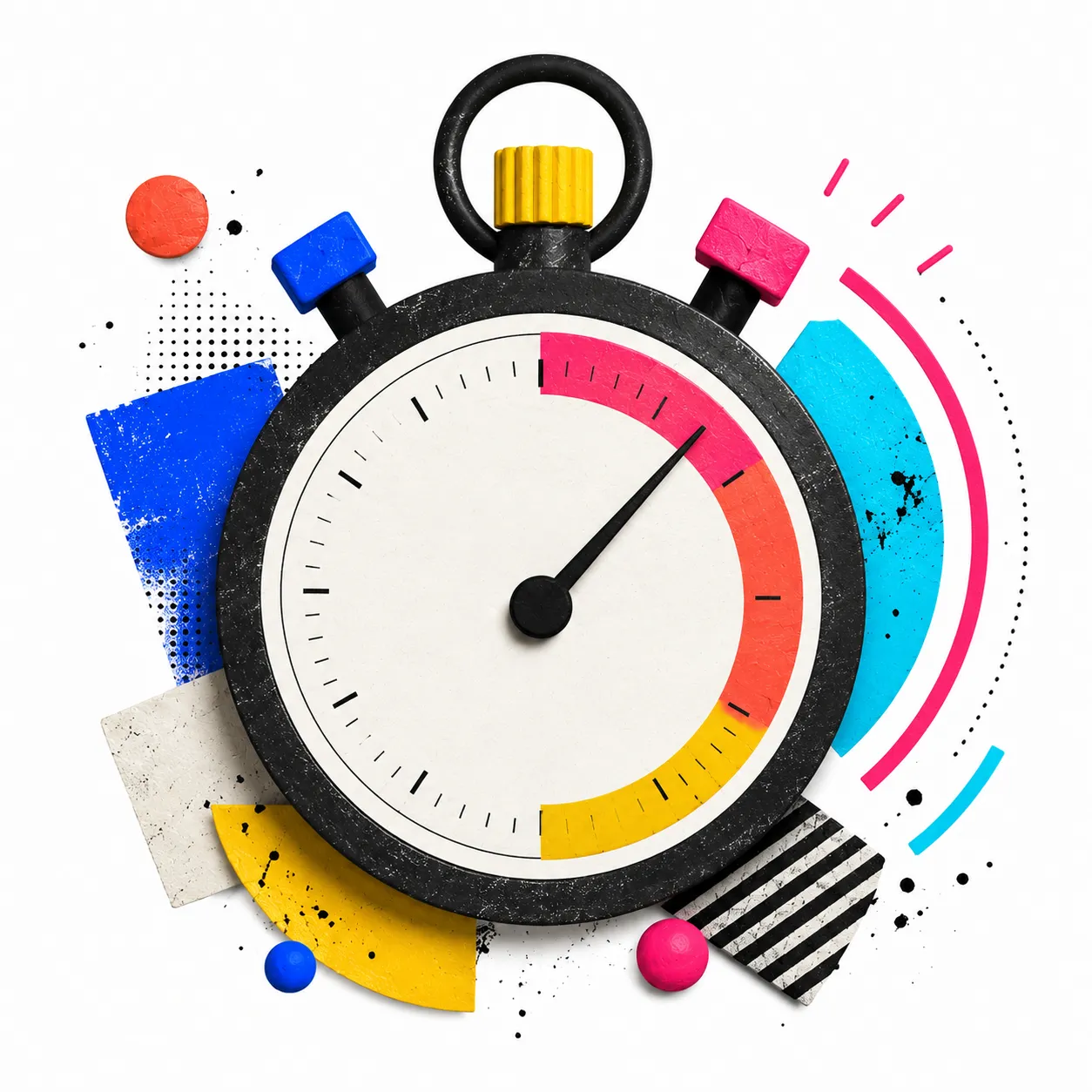
Offers a shared time reference that structures work without imposing a single pace. Each student can manage their time within the visible framework. Use during autonomous or group work activities so that those who need more time know how much is left, and those who finish early can move to an extension activity.
Common mistakes
Confusing adapting with lowering the standard. Adaptation does not reduce the objective — it changes the path. If after adapting the student learns less than expected, it was not adaptation: it was simplification. Tomlinson (2001) insists that differentiated instruction maintains high standards for everyone; what varies is the scaffolding, not the goal.
Labeling students into fixed levels. Grouping students permanently as “advanced” and “with difficulties” creates self-fulfilling prophecies. Carol Dweck’s (2006) research on mindset shows that fixed labels reduce motivation and effort. Effective differentiation is fluid: a student may need more support in mathematics and be advanced in science, or change level from one week to the next.
Trying to differentiate everything from day one. UDL does not demand redesigning all teaching at once. It is more sustainable to start with a single principle (for example, offering two delivery formats instead of one) and expand gradually. Differentiation that exhausts the teacher is not sustainable, and therefore does not reach students.
Making the adaptation visible in a way that stigmatizes. When a student receives a different sheet in front of the whole class, the adaptation becomes labeling. Tools like the choice board or mission cards avoid this because everyone receives options — differentiation is built into the design, not added as an exception.
What competencies it develops
Working with adaptation and differentiation activates transversal competencies organically:
- When a student chooses between various options on a choice board, they are exercising self-awareness: they need to evaluate in which format they express themselves best and what interests them most.
- When the group works with different paths toward the same objective and then shares results, respect for diversity is practiced: it becomes visible that there is more than one valid way to learn.
- When a student receives a different mission card from their classmate and both arrive at the same learning, empathy is strengthened: the understanding that what works for one does not necessarily work for another.
- When class conditions change (new topic, new group, new difficulty) and the student must adjust their strategy, they are developing adaptability — the same competency the teacher models by differentiating.
How to start
There is no need to redesign the whole class. A single design decision, applied consistently, is already differentiation:
In the next activity, allow students to choose between two ways of demonstrating what they learned (for example, writing or recording an audio). Use a comprehension stoplight to verify everyone understood the instructions.
Incorporate the ideas wall or the agreement scale to collect the voice of those who do not participate orally. Use the information to adjust the next class.
For the next closing activity or final product, build a board with 4 to 6 options. Reuse it for the rest of the unit or term.
The differentiation that works is not the most sophisticated — it is the one the teacher can sustain every day.