Self and Peer Assessment
Students evaluate their own work and that of their peers using explicit criteria. Not a shortcut for the teacher — a more powerful learning tool than any grade.
What is it?
Self-assessment is the process by which students review their own work against a set of explicit criteria and generate evidence about their own learning. Peer assessment is the same process but directed at a classmate's work. Both require that students know what quality looks like before they can evaluate it — hence the importance of clear criteria and rubrics.
The research on self-assessment is compelling. Studies by Víctor López Pastor show that students who regularly evaluate themselves develop deeper metacognitive skills, greater autonomy, and better long-term learning than those who only receive external grades. David Boud demonstrates that the ability to evaluate one's own work is one of the most transferable skills education can develop — because no one will always have an external evaluator.
Peer assessment adds a dimension that teacher feedback cannot: it forces the student who evaluates to think about quality criteria from the outside, which consolidates their own understanding. It also provides more frequent and personalized feedback than a single teacher can generate for 30 students. The key is that it is structured — not spontaneous opinion.
The student who can accurately evaluate their own work does not need anyone to tell them how to improve.
— David BoudWhat does it look like in class?
Before a writing assignment, the teacher and students build the success criteria together: 'What does a good argument look like? What makes a conclusion powerful?' Students write them on the board. After writing, each student evaluates their own work against those criteria before submitting it.
In a science class, students receive a classmate's lab report with a structured protocol: 'identify one part that is clear and well-explained, one part that could be improved, and a specific suggestion for how to improve it.' It is not 'I liked it' or 'good' — it is structured feedback with evidence.
After a presentation, each student completes a self-assessment form with specific questions: 'Did I meet the time criteria? Was my explanation clear? What would I change?' They compare it with the teacher's assessment. Discrepancies open rich conversations about evaluation criteria.
At the end of a group project, each student evaluates their own contribution and that of their teammates using a rubric. The teacher uses this as additional information, not as the sole grade. The conversations that emerge ('you said I didn't contribute enough, but I was the one who...') are powerful opportunities for dialogue about collaboration.
Signs it works
- Students use the vocabulary of criteria to talk about their work: 'this argument needs more evidence'
- Self-assessment is not inflated (everyone gives themselves a 10) or deflated (everyone is excessively self-critical)
- Peer feedback is specific and actionable, not generic ('good work')
- Students can explain the difference between what they produced and what excellent performance looks like
- Self-assessment changes what students do next — it is not a ritual without consequence
Common mistakes
Using self-assessment without explicit criteria — 'how do you think you did?' generates opinions, not evidence
Grading self-assessment based on whether the student's grade matches the teacher's — this rewards strategic self-assessment, not honest ones
Implementing peer assessment without protocols — spontaneous 'peer feedback' often becomes personal criticism or empty praise
Using these tools only once without making them a systematic practice — single use generates little metacognitive development
Key thinkers
Spanish researcher and leading reference for self-assessment and formative and shared assessment in Spain and Latin America. Has studied the impact of self-assessment on motivation and long-term learning.
Australian researcher and author of Enhancing Learning through Self-Assessment. Argues that the capacity for self-assessment is the most transferable competency schools can develop.
Education researcher who includes self- and peer assessment as two of his five key strategies for formative assessment. His work connects these practices with student ownership of learning.
Argentine education expert and reference for formative and self-assessment in Latin America. Has trained thousands of teachers in participatory assessment practices.
Dive deeper
 BookFormative and Shared Assessment — Víctor López Pastor (coord.)
Spanish reference on formative and shared assessment. Includes examples from primary through university levels with focus on self-assessment and participation.
BookEnhancing Learning through Self-Assessment — David BoudThe foundational book on self-assessment as a learning strategy. Boud argues for the capacity for self-assessment as the highest transferable educational goal.
WebsitePeer Assessment — Carnegie MellonCarnegie Mellon University's practical guide on peer assessment design: criteria, protocols, training students, and how to use results.
ESWebsiteSelf and Peer Assessment Toolkit — EvalCOMFree online resources with rubric templates, self-assessment protocols, and peer feedback guides adapted for different educational levels.
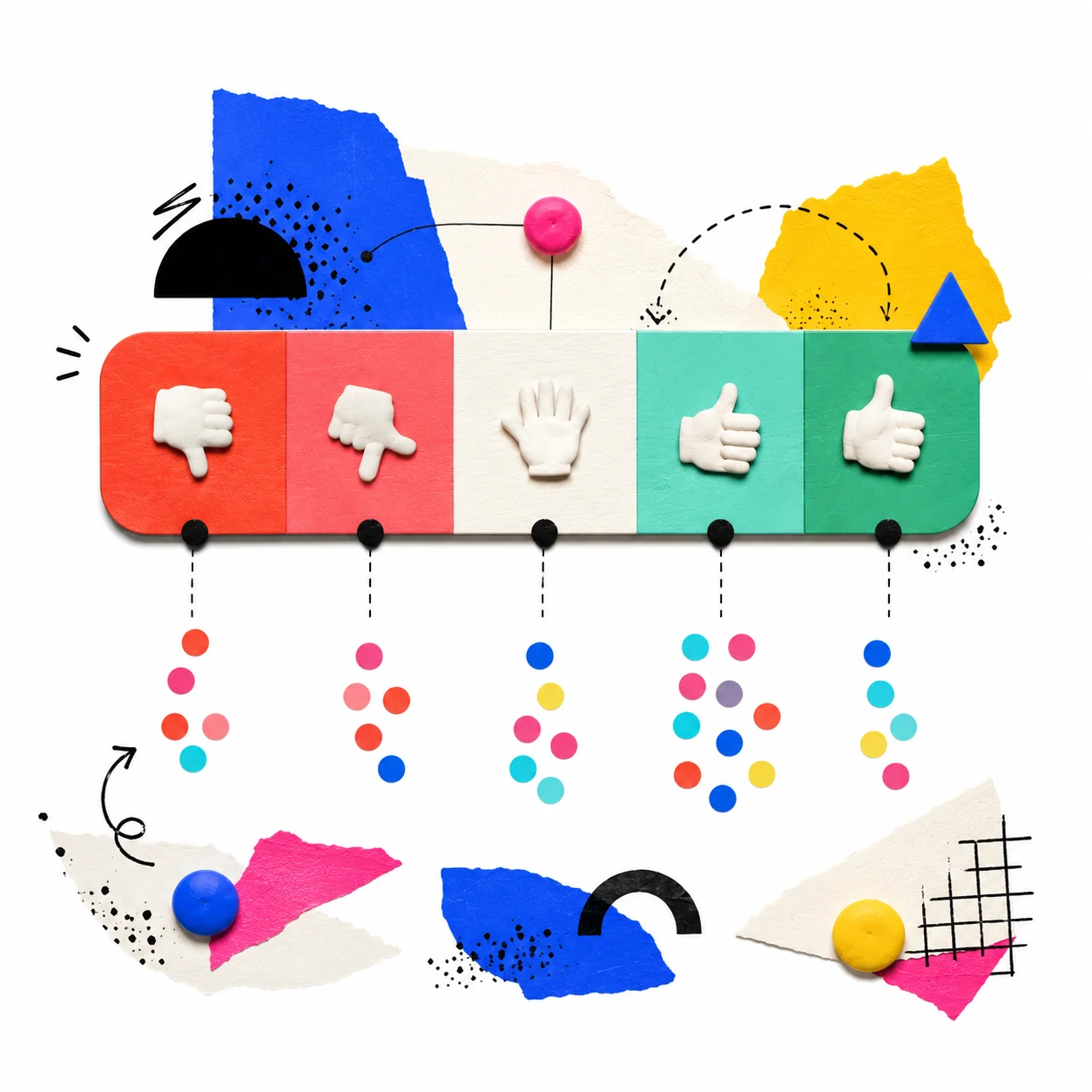 ToolAgreement Scale
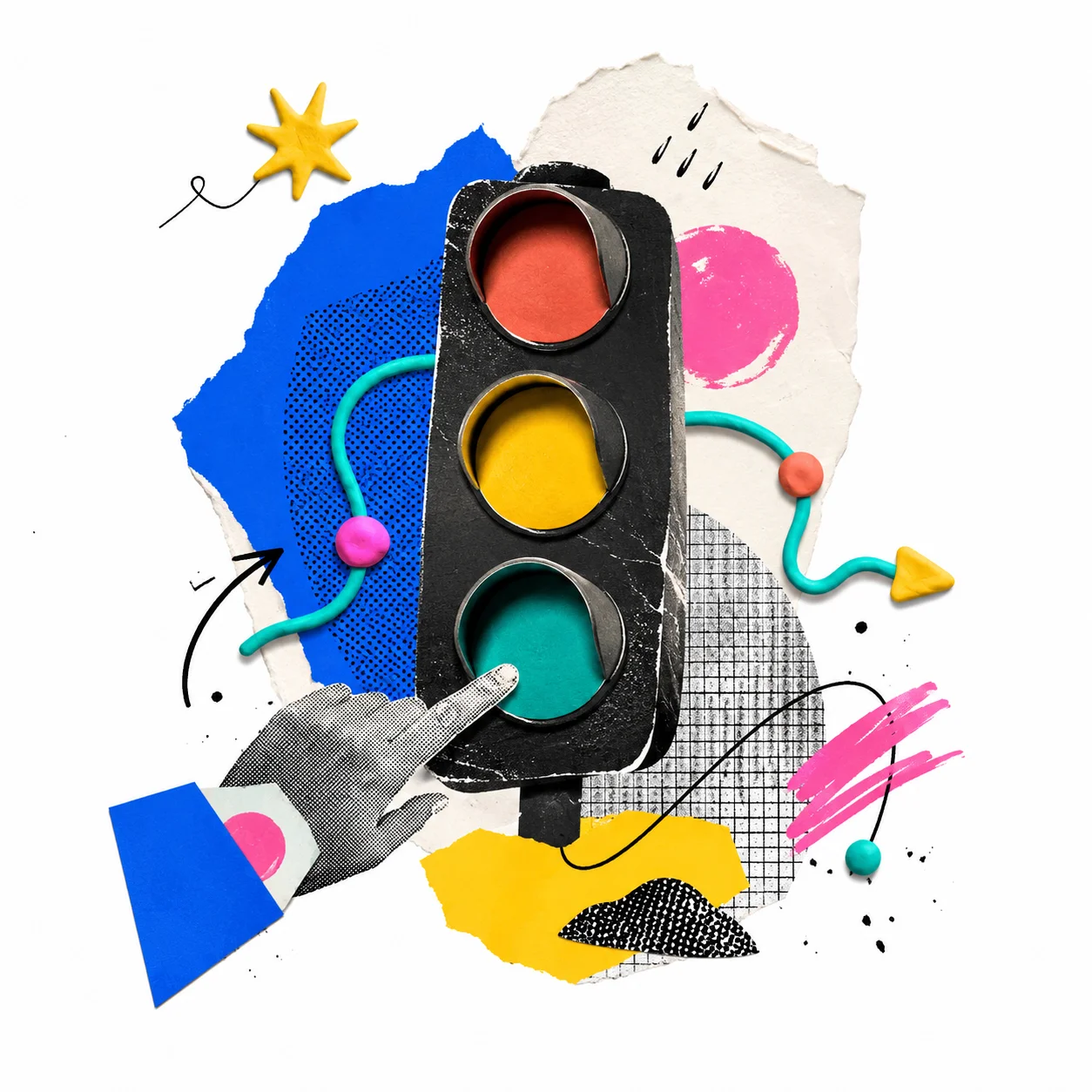 ToolComprehension Stoplight
 ToolExit Ticket
 ToolWork Gallery