Popular Education
Pedagogy born in Latin America that transforms education into a tool for liberation and critical consciousness.
What is it?
Popular education is a pedagogical movement born in Latin America in the 1960s, whose central reference is Paulo Freire. Its proposal is radical: education is not neutral. Either it serves to domesticate (banking education, where the teacher deposits knowledge into passive students) or it serves to liberate (problem-posing education, where everyone learns together by critically reading reality).
The method is based on dialogue as an act of knowledge. Freire proposed that the starting point of all teaching must be the concrete reality of the students: their problems, their context, their language. You don't start from the curriculum, you start from life. From there come the 'generative themes': words and situations from the real world that are collectively problematized to generate critical consciousness.
Popular education is not limited to the adult literacy context where it was born. Today it is applied in formal schools, social organizations, peasant movements, feminist collectives, and community projects throughout Latin America. Its core remains: there is no teacher who knows and a student who doesn't. There are people who, in dialogue, build knowledge to transform their reality.
Education does not change the world. It changes the people who will change the world.
— Paulo FreireWhat does it look like in class?
In a school in São Paulo, the teacher does not start the social studies class with the textbook. She starts by asking: 'What problems do you see in the neighborhood?' Students name them: garbage, lack of water, insecurity. They choose one and investigate it together. The curriculum is organized around that real problem.
In a 5th grade class in Buenos Aires, the teacher uses Freire's 'culture circle' methodology: presents an image (a family waiting in a hospital line) and asks: 'What do you see? Why does this happen? Could it be different? What can we do?' The SEE-JUDGE-ACT sequence structures critical thinking.
A collective of teachers in Medellín designs a project where students interview their grandparents about the neighborhood's history. They transcribe, analyze, and publish a collective book. The community's knowledge enters the classroom as legitimate knowledge, not as anecdote.
In a rural school in Oaxaca, students map their community's natural resources, identify environmental threats, and present proposals to the municipal council. Education doesn't end with the exam — it ends with transformative action.
Signs it works
- Students question what they read and hear — they ask 'who wrote this? from what perspective?'
- Classroom content connects with real problems in the students' community
- Students propose concrete actions in response to the problems they study — they don't just diagnose
- The voices and knowledge of families and the community are valued as legitimate knowledge
- The teacher positions themselves as a fellow learner alongside students, not as the sole bearer of truth
Common mistakes
Reducing Freire to an inspirational quote without changing practice — popular education demands reorganizing power in the classroom
Thinking popular education is only for contexts of poverty — critical consciousness is necessary in every social context
Confusing dialogue with spontaneism — Freirean dialogue is rigorous, with method and structure
Abandoning curricular content — popular education does not eliminate it, it problematizes it and connects it with reality
Key thinkers
Brazilian educator, author of Pedagogy of the Oppressed. Creator of popular education as a movement. His work in literacy in northeastern Brazil changed the history of world pedagogy.
Colombian sociologist, creator of Participatory Action Research (PAR). His work links knowledge production with social transformation from communities.
Ecuadorian educator and former minister of education. Reference for popular education and educational policies in Latin America. Promoted the concept of 'learning community' in the region.
Dive deeper
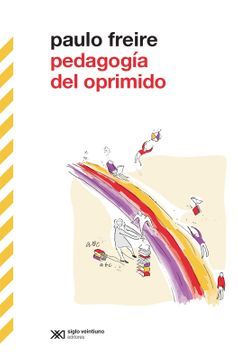 BookPedagogy of the Oppressed — Paulo Freire
The most influential book of Latin American pedagogy. Freire proposes education as a practice of freedom and critiques banking education. Required reading.
ES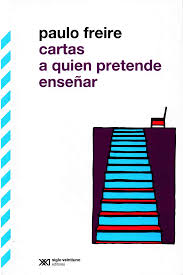 BookLetters to Those Who Dare Teach — Paulo Freire
Ten letters where Freire speaks directly with teachers. More accessible than Pedagogy of the Oppressed and deeply practical. Free PDF.
ESWebsiteCEAAL — Council for Popular Education of Latin AmericaNetwork of popular education organizations throughout Latin America. Resources, publications, and experiences from more than 20 countries.
ESPDFContemporary Paulo Freire — CLACSOCollection of CLACSO texts on the relevance of Freire in current Latin American education. Free download.
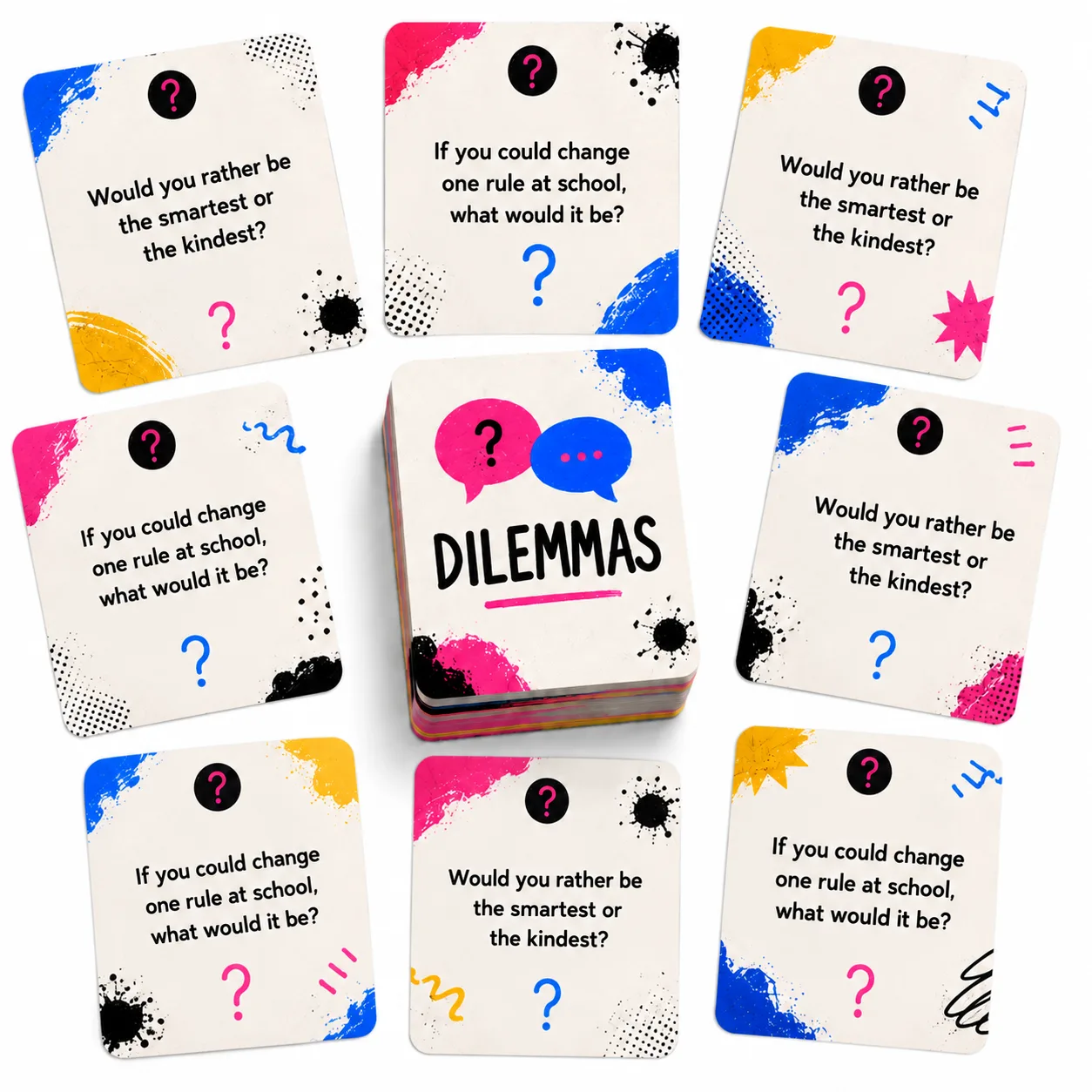 ToolDilemma Cards
 ToolDebate Cards
 ToolCollaborative Ideas Wall
 ToolLive Word Cloud