Mindfulness in the Classroom
Mindfulness practices to improve concentration, emotional regulation, and well-being.
What is it?
Mindfulness in the classroom is the integration of mindfulness practices into the school routine. It is not religious meditation or passive relaxation: it is training the capacity to pay attention to the present moment with curiosity and without judgment. Students learn to notice their thoughts, emotions, and bodily sensations without reacting automatically.
Neuroscience supports the approach. Practicing mindfulness strengthens the prefrontal cortex (responsible for attention and decision-making) and reduces amygdala activity (responsible for stress responses). In school terms: students concentrate better, regulate their emotions better, and react less impulsively.
Practices are brief and concrete: conscious breathing (1-3 minutes), body scan (noticing sensations from feet to head), attention to sounds, mindful walking, or simply pausing to notice 'what am I feeling right now?' They require no equipment, special space, or much time — only consistency.
Mindfulness is paying attention in a particular way: on purpose, in the present moment, and non-judgmentally.
— Jon Kabat-ZinnWhat does it look like in class?
After returning from recess, the teacher guides 2 minutes of conscious breathing: 'Close your eyes if you want. Notice how the air enters through the nose... how the chest expands... and how it comes out slowly.' It is a transition that calms the nervous system before resuming the class.
Before an exam, students do a '30-second scan': they notice where they feel tension in their body (stomach, shoulders, hands). The teacher says: 'You don't have to change anything, just notice it. Breathe and let your shoulders drop.' It reduces anxiety without motivational speeches.
In a science class, the teacher introduces 'mindful observation': students observe a plant for 2 minutes in silence, noticing details they would normally miss. Afterward they share. The practice trains attention to detail, which is both a scientific skill and a contemplative practice at the same time.
The class has a 'calm corner': a space with cushions and a glitter jar. When a student feels overwhelmed, they can go to the corner, shake the jar, and breathe while the glitter settles. It is not a punishment — it is a self-regulation tool.
Signs it works
- Students spontaneously ask to 'do the breathing' when they notice they are agitated or scattered
- Sustained attention capacity improves — students maintain focus for longer periods
- Students identify bodily signals of stress or anxiety before they escalate
- Impulsive reactions decrease — there is a pause between stimulus and response
- The calm corner is used autonomously and without stigma
Common mistakes
Making sessions too long — for children and adolescents, 2-5 minutes is enough. Consistency matters more than duration
Requiring eyes closed or staying still — some students need eyes open or gentle movement. Offer options
Using mindfulness as punishment ('go to the corner to calm down') instead of as a voluntary tool
Expecting mindfulness to solve structural problems — it does not replace good class design or attention to basic needs
Key thinkers
Creator of the MBSR (Mindfulness-Based Stress Reduction) program and responsible for bringing mindfulness to the secular and scientific Western world.
Author of The Way of Mindful Education. Specialist in bringing mindfulness to schools with a practical, evidence-based approach.
Researcher at the University of Virginia. Her CARE for Teachers program works on teacher well-being as the basis for implementing mindfulness in the classroom.
Dive deeper
Practical guide for bringing mindfulness to the classroom. Includes age-graded lessons, scripts for guiding practices, and the science behind the approach.
WebsiteMindful SchoolsLeading organization in educational mindfulness. Offers online courses for teachers and a complete curriculum by age.
WebsiteCARE for Teachers — Patricia JenningsEvidence-based program for teacher well-being. The premise: to teach emotional regulation, the teacher needs to practice it first.
ESWebsiteMindfulness in Education — Fundacion BotinSpanish responsible education program that integrates mindfulness and emotional education with free resources for teachers.
 ToolVisual Timer
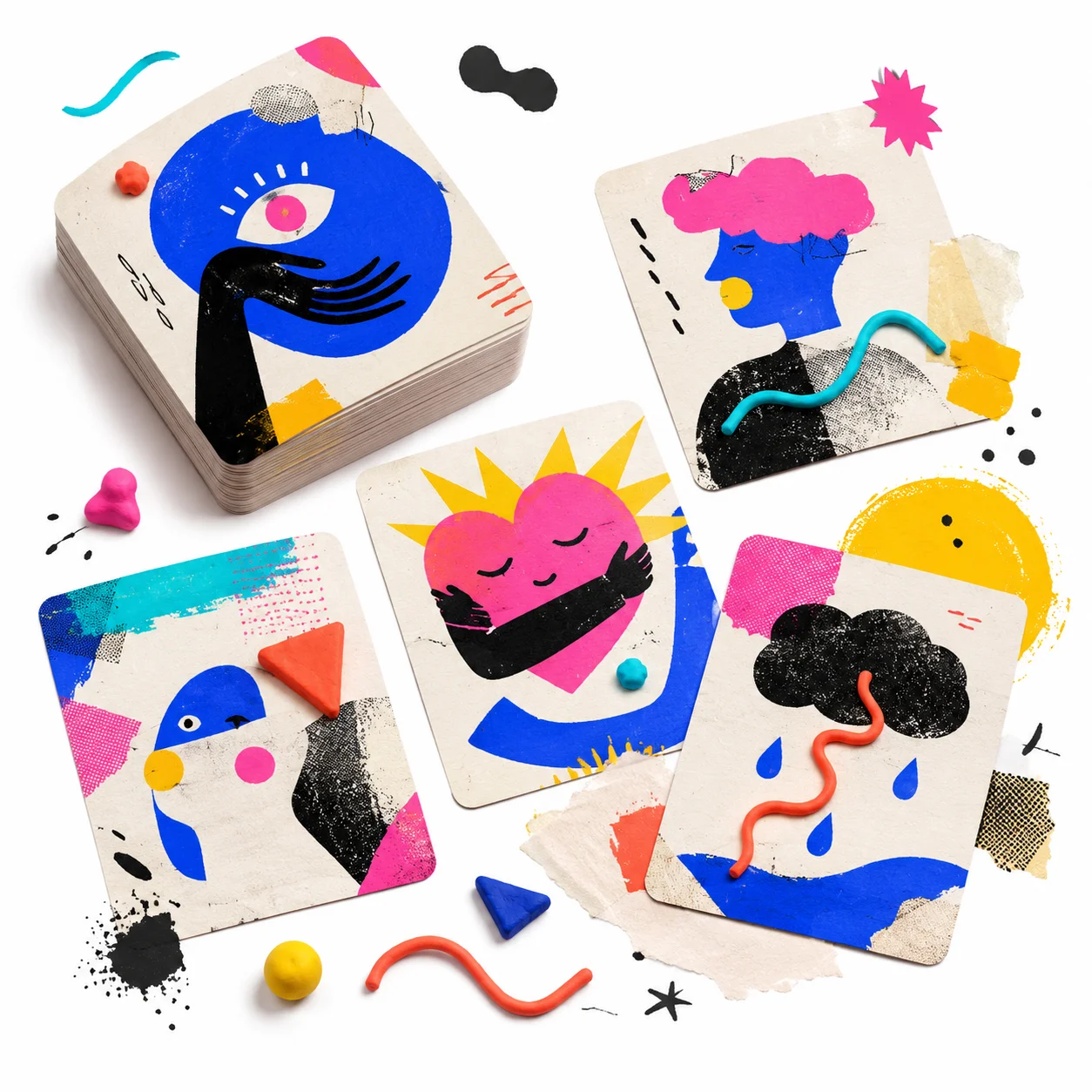 ToolEmotions Deck
 ToolComprehension Stoplight
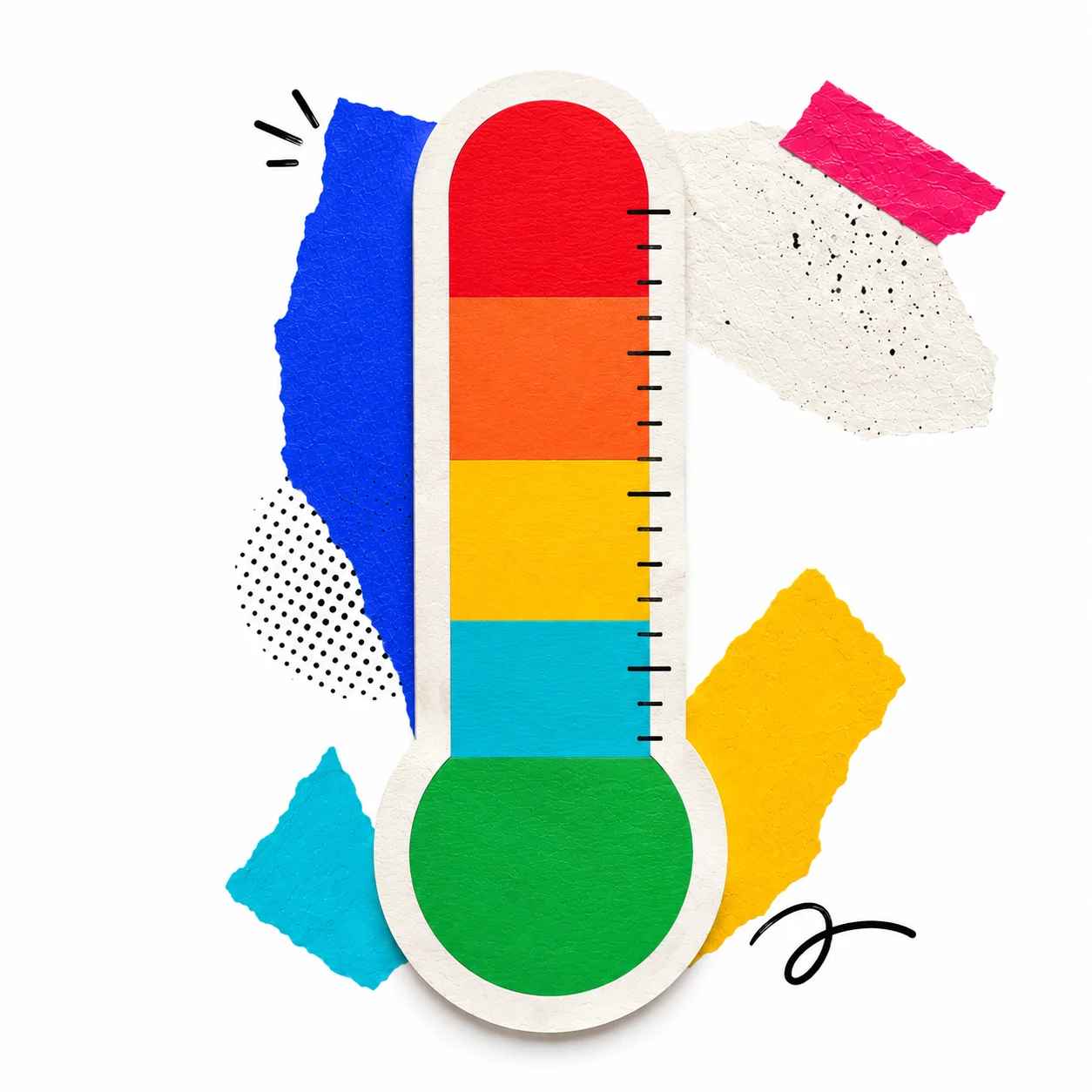 ToolOpinion Thermometer